

Quick answer
The best oncologist for a second opinion on a pancreatic cancer diagnosis is usually not one doctor but an experienced pancreatic team: a surgical oncologist who regularly performs Whipple and other pancreatic operations, working with a medical oncologist, a radiologist skilled in pancreatic imaging, a gastroenterologist for endoscopic ultrasound and a pathologist, all reviewing your case together. Bring your actual scan images, biopsy slides and CA 19-9 results, and seek the second opinion quickly, ideally within one to two weeks.
Few diagnoses are as frightening as pancreatic cancer, and few depend so much on getting the details right at the very start. Whether the tumor can be removed, whether chemotherapy should come first, and even whether the diagnosis is correct can all change the outlook dramatically. That is why so many families search for the best oncologist for a second opinion on pancreatic cancer diagnosis in India before starting treatment.
This guide explains why a second opinion matters so much in pancreatic cancer, who is best placed to give it, which reports to bring and the questions that help you get the most from the consultation.
Why a Second Opinion Matters So Much in Pancreatic Cancer
- Diagnosis can be difficult. Chronic pancreatitis, autoimmune pancreatitis, neuroendocrine tumors, cystic tumors and cancers of the bile duct or ampulla can all look similar on scans.
- Operability is a judgment call. Whether a tumor can be removed depends on its relationship with major blood vessels, and experienced pancreatic teams sometimes reach a different conclusion.
- Surgery offers the best chance of long-term survival, but only a minority of patients, often estimated at around 15 to 20 percent, have tumors that can be removed at diagnosis.
- Experience changes outcomes. Complex pancreatic operations have fewer complications in centers and with surgeons that perform them regularly.
- Time matters. Pancreatic cancer can progress quickly, so the right plan needs to start without delay.
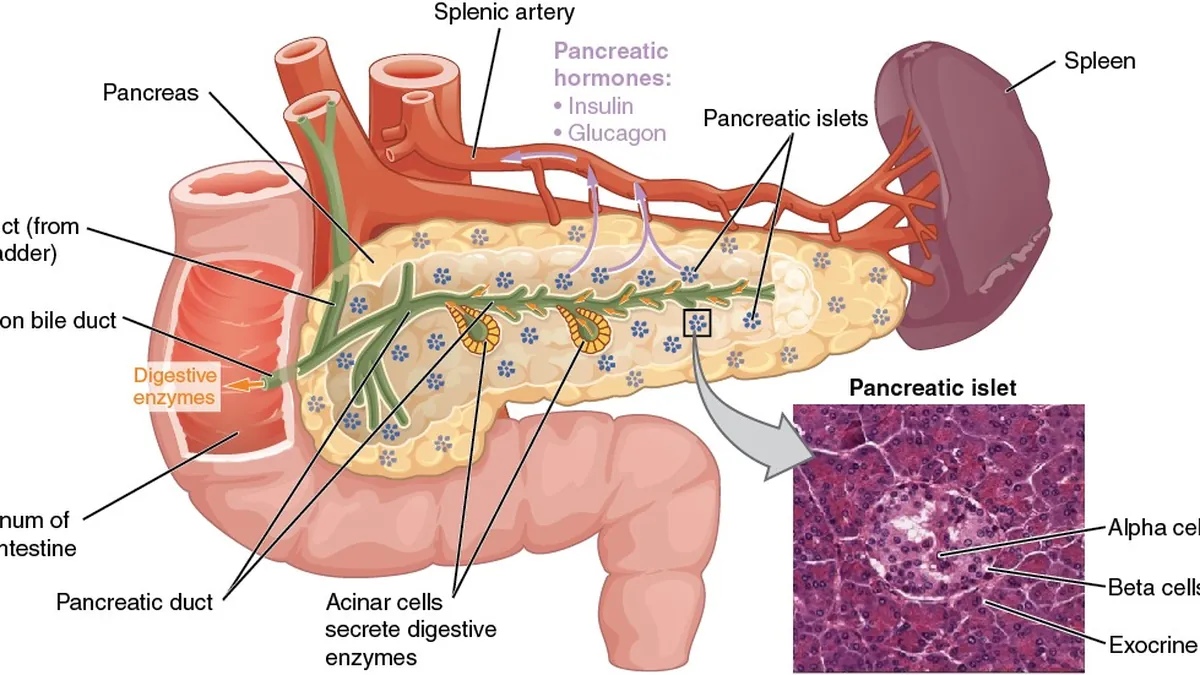
A careful second opinion can confirm the diagnosis, reclassify operability or open the door to treatment before surgery that makes an operation possible later. This overview of pancreatic cancer gives useful background on the disease.
Who Is the Best Oncologist for a Pancreatic Cancer Second Opinion?
The most reliable second opinion rarely comes from a single doctor working alone. Look for an experienced pancreatic team that includes:
- A surgical oncologist with HPB expertise who regularly performs the Whipple procedure (pancreaticoduodenectomy), distal pancreatectomy and, when needed, vascular resections
- A medical oncologist experienced with chemotherapy regimens such as FOLFIRINOX and gemcitabine with nab-paclitaxel
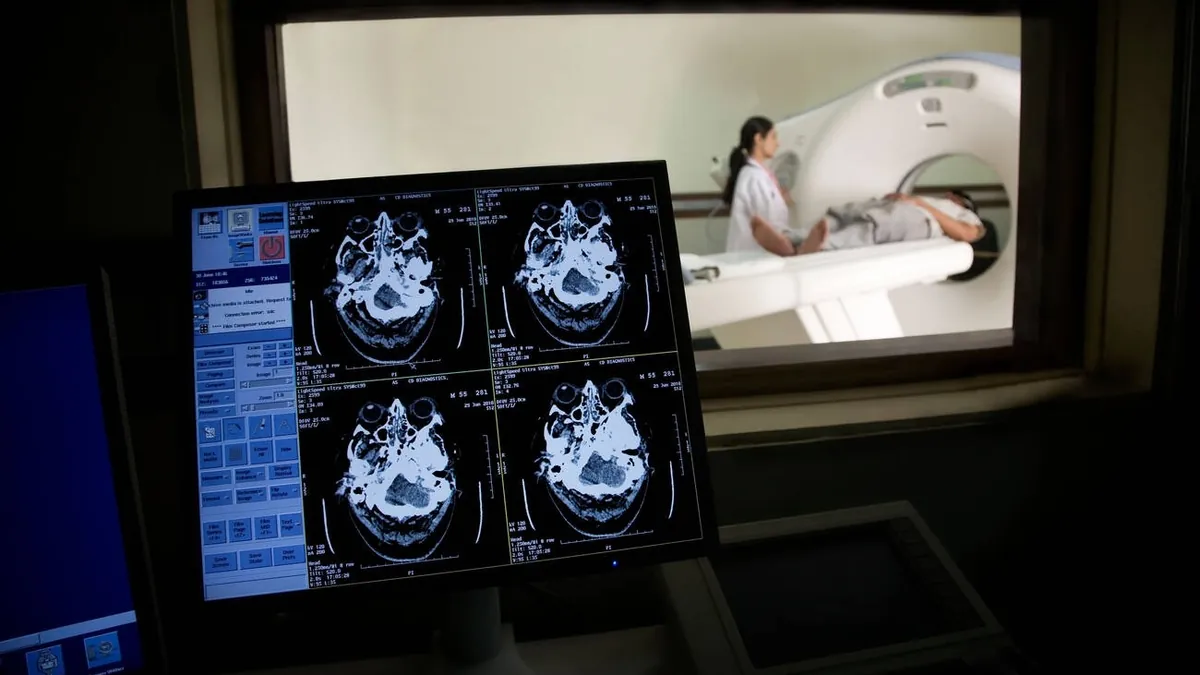
- A radiologist skilled in reading pancreatic protocol CT and MRI scans
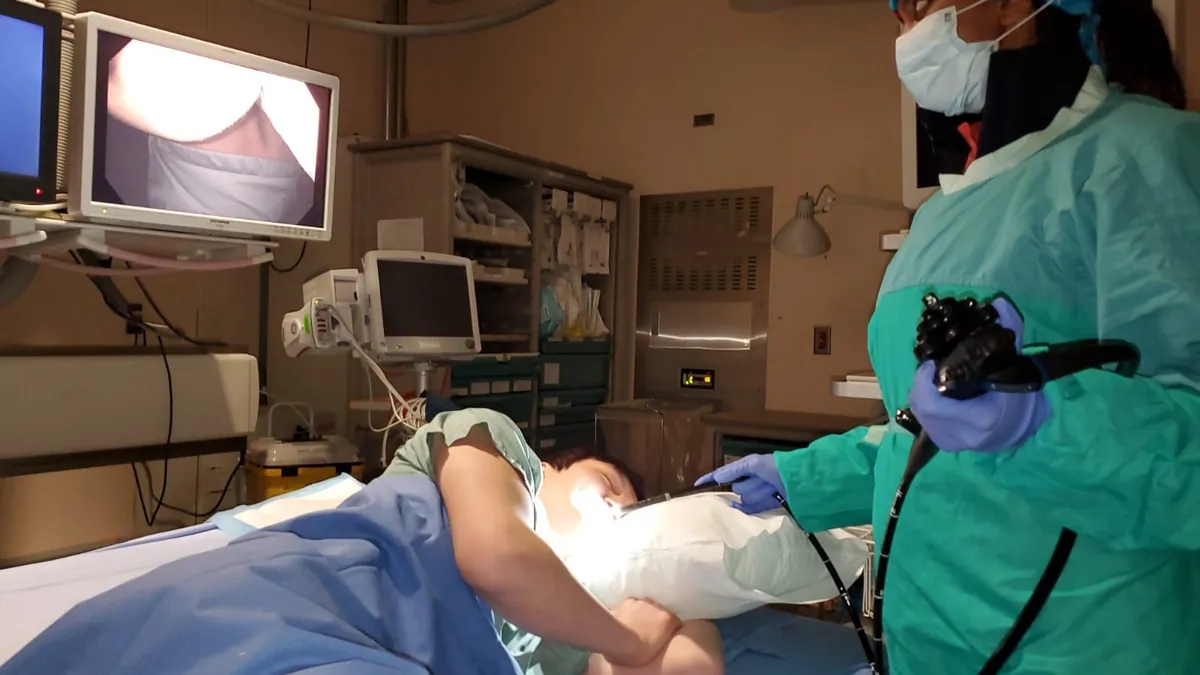
- A gastroenterologist who performs endoscopic ultrasound biopsies and places stents to relieve jaundice
- A pathologist who can review your biopsy slides
- A multidisciplinary tumor board where all of them discuss your case together
In India, such teams work in established cancer centers and multispecialty hospitals with dedicated liver and pancreatic cancer surgery programs, including in Hyderabad. Our guide to cancer treatment centers that offer personalized care plans with multiple specialists explains how to confirm that a team truly works together.
Understanding Resectability: The Question That Shapes Everything
| Category | What it means | Usual approach |
|---|---|---|
| Resectable | No contact with major arteries and limited or no involvement of major veins | Surgery followed by chemotherapy; chemotherapy first in selected cases |
| Borderline resectable | Limited contact with arteries or veins that may be removable or reconstructable | Chemotherapy first, sometimes with radiation, then reassessment for surgery |
| Locally advanced | Extensive involvement of major arteries | Chemotherapy with or without radiation; surgery only in selected patients who respond well |
| Metastatic | Spread to the liver, peritoneum, lungs or distant lymph nodes | Systemic treatment and palliative care; surgery is not usually helpful |
Because this classification decides whether surgery is offered, it deserves an expert review of high-quality scans rather than a quick look at a written report.
Tests That Make a Pancreatic Cancer Second Opinion Reliable
- Pancreatic protocol CT: a multiphase contrast scan designed to show the tumor and blood vessels clearly
- MRI or MRCP: helpful for small liver lesions and bile duct anatomy
- Endoscopic ultrasound with biopsy: the preferred way to obtain tissue from the pancreas
- CA 19-9 blood test: a tumor marker useful for prognosis and monitoring, best interpreted after jaundice has settled; some people do not produce it at all
- PET-CT or staging laparoscopy: used selectively to look for hidden spread
- Genetic and tumor molecular testing: germline genetic testing is recommended for people with pancreatic cancer, and tumor profiling can find changes, such as BRCA mutations, that influence treatment
A tissue diagnosis is needed before chemotherapy is started. For a typical, clearly resectable tumor, however, surgery may sometimes proceed without a preoperative biopsy, which is a decision an experienced team should make.
What to Bring to Your Second Opinion
- CT, MRI or PET-CT images on a CD or as digital files, not only the written reports
- Endoscopy, endoscopic ultrasound and biopsy reports, and the biopsy slides or blocks if possible
- Blood tests, including CA 19-9, liver function tests and bilirubin
- Details of any stent placed and the ERCP report
- Discharge summaries and a list of your current medicines
- A written list of your questions
Questions to Ask During a Pancreatic Cancer Second Opinion
- Do you agree with the diagnosis, and is any further test needed to confirm it?
- Is my tumor resectable, borderline resectable, locally advanced or metastatic, and why?
- Should I have surgery first or chemotherapy first?
- If surgery is possible, which operation is needed, and how often do you perform it?
- Is a minimally invasive or robotic approach suitable for me?
- Which chemotherapy do you recommend, and why?
- Should I have genetic testing?
- What will recovery involve, including diet and enzyme supplements?
Many of these decisions follow the principles described in our guides on which chemotherapy works best for each cancer type, chemotherapy after cancer surgery and personalized cancer treatment plans.
Red Flags in a Pancreatic Cancer Diagnosis
- Being told the cancer is inoperable without a pancreatic protocol CT or an expert review
- Being rushed into major surgery before staging is complete
- Chemotherapy started without a confirmed tissue diagnosis
- No discussion of nutrition, pain control or jaundice management
- Reluctance to share scans or to support a second opinion
A trustworthy team welcomes scrutiny, as explained in our guide to finding a cancer doctor who gives honest guidance.

Surgery, Recovery and Life After Pancreatic Cancer Treatment
When surgery is possible, it is usually combined with about six months of chemotherapy, given before, after or on both sides of the operation. Recovery after a Whipple procedure takes several weeks, and many patients need pancreatic enzyme capsules and careful dietary support; our guide on food and supplements during cancer treatment covers the basics. Selected patients may benefit from minimally invasive or robotic pancreatic surgery in experienced hands.
Pancreatic Cancer Second Opinions With Dr. Anvesh Dharanikota
Dr. Anvesh Dharanikota, Senior Consultant Surgical Oncologist and Head of Department at Arete Institute of Oncology, Hyderabad, sees patients from across India for second opinions on pancreatic, liver and biliary cancers. With more than 12 years of experience in complex GI and HPB cancer surgery, including pancreaticoduodenectomy and minimally invasive approaches, he reviews each pancreatic cancer case with multidisciplinary colleagues to give a clear, honest recommendation on operability and the best sequence of treatment.
Conclusion
The best oncologist for a second opinion on a pancreatic cancer diagnosis is an experienced pancreatic surgical and medical oncology team that reviews your actual scans and slides, assesses resectability carefully and explains your options honestly. Seek that second opinion early, bring complete records and ask direct questions. In pancreatic cancer, a well-timed second opinion can change the entire course of treatment.
Frequently Asked Questions
Yes. Pancreatic cancer diagnosis and operability can be difficult to judge, and an experienced pancreatic team may confirm, refine or change the plan. A second opinion is especially valuable before major surgery or if you have been told the tumor cannot be removed.
Look for a surgical oncologist with HPB expertise who regularly performs Whipple procedures, working with a medical oncologist, a pancreatic radiologist, a gastroenterologist and a pathologist in a multidisciplinary tumor board.
Bring the actual CT, MRI or PET-CT images, endoscopic ultrasound and biopsy reports, biopsy slides if possible, CA 19-9 and liver function tests, stent or ERCP details, discharge summaries and a list of your medicines.
As soon as possible, ideally within one to two weeks of diagnosis. Pancreatic cancer can progress quickly, so organize your records early so that the second opinion does not delay treatment.
Yes. Operability depends on a detailed assessment of the tumor’s contact with major blood vessels, and expert review of good-quality pancreatic protocol scans can sometimes reclassify a tumor as resectable, or as borderline resectable and suitable for surgery after chemotherapy.
A biopsy is needed before chemotherapy is started. For a typical tumor that is clearly resectable, experienced surgeons may sometimes operate without a preoperative biopsy, because the removed tissue confirms the diagnosis.
Medical disclaimer: This article is for general education and does not replace a personal consultation. Cancer care is individual, so please discuss your reports, symptoms and treatment options with a qualified specialist before making any decision.
Image credits: 1820 The Pancreas by OpenStax College, CC BY 3.0 · Endoscopy start by Samir, CC BY-SA 4.0 · Dr. Sheldon Smith entering eye examination room at suburban eye care by Suburban Eye Care, CC BY 2.0 · CT Brain Scan by Goleisureintl, CC BY 4.0