

Quick answer
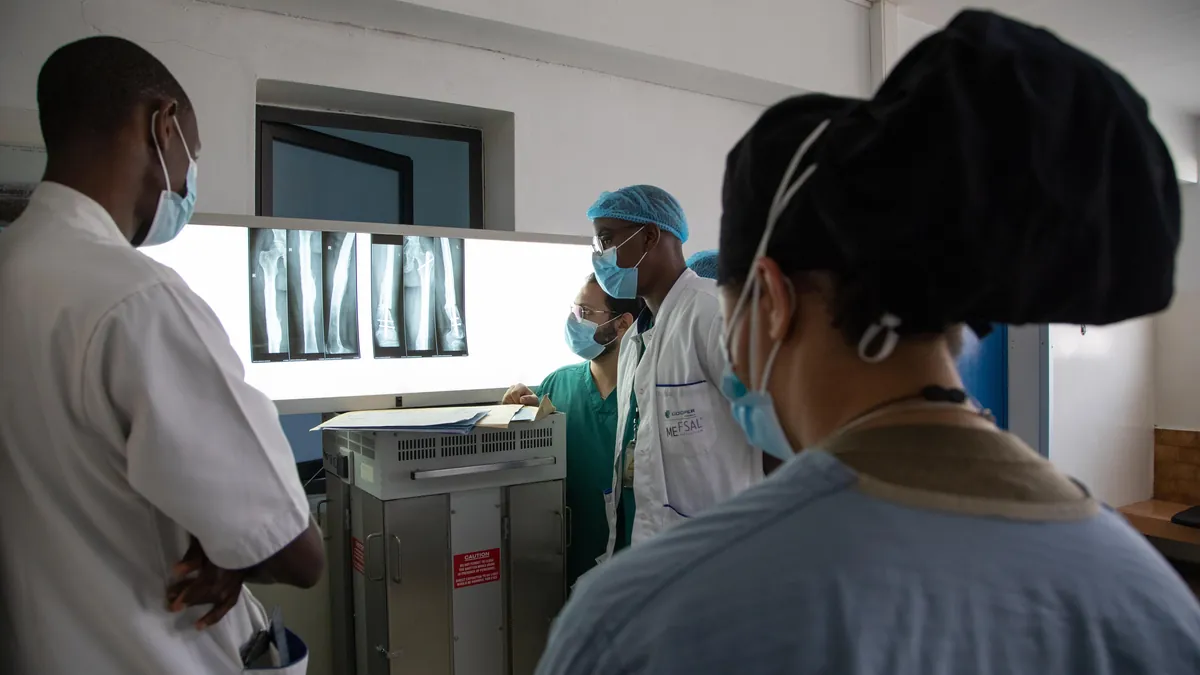
Personalized care plans with multiple specialists are offered by cancer treatment centers that run regular multidisciplinary tumor boards, bringing surgical, medical and radiation oncologists together with radiologists, pathologists, nutritionists and supportive care teams. You will find this model in oncology institutes within multispecialty hospitals and in dedicated cancer hospitals. In Hyderabad, Dr. Anvesh Dharanikota leads tumor board discussions at Arete Institute of Oncology, Gachibowli. Look for a documented tumor board review, one written plan and a named coordinator.
A cancer diagnosis rarely calls for just one kind of doctor. Surgery, chemotherapy, radiation, nutrition and emotional support often need to fit together in the right order. That is why many patients look for cancer treatment centers that offer personalized care plans with multiple specialists, rather than moving from one doctor to another and trying to connect the dots themselves.
This guide explains what multi-specialist cancer care really involves, who should be on your team, how personalized care plans are built and how to recognize a center that genuinely works this way, in Hyderabad or anywhere in India.
What Do Personalized Care Plans With Multiple Specialists Mean?
In a multidisciplinary model, specialists from different fields review your case together and agree on one coordinated plan. The plan is personalized because it reflects your cancer’s stage and biology, your overall health and your priorities. It is multi-specialist because every major decision has been examined from surgical, medical, radiation, imaging and pathology perspectives.
The engine of this approach is the tumor board. The National Cancer Institute describes tumor board review as a treatment planning approach in which experts from different specialties review and discuss a patient’s condition and treatment options together.
Who Is on a Multidisciplinary Cancer Team?
| Specialist | Role in your care |
|---|---|
| Surgical oncologist | Removes the tumor and lymph nodes, performs staging procedures and plans organ-preserving or minimally invasive surgery |
| Medical oncologist | Plans chemotherapy, targeted therapy, immunotherapy and hormone therapy |
| Radiation oncologist | Decides whether and how radiotherapy should be used |
| Radiologist and nuclear medicine specialist | Interpret CT, MRI and PET-CT scans for staging and response |
| Pathologist | Confirms the diagnosis and reports the biomarkers that guide treatment |
| Organ specialists | Gastroenterologists, pulmonologists, gynecologists or urologists who perform endoscopy, bronchoscopy and related procedures |
| Oncology nurse or care coordinator | Organizes appointments, educates patients and keeps the plan on track |
| Clinical nutritionist | Protects weight, strength and recovery |
| Physiotherapist | Restores mobility and breathing after surgery |
| Psycho-oncologist or counselor | Supports the emotional well-being of patients and families |
| Palliative care team | Controls pain and symptoms at any stage, not only at the end of life |
| Genetic counselor | Assesses inherited cancer risk for the patient and relatives |
Two specialties in this list are often overlooked. Psycho-oncology addresses the anxiety and depression that frequently accompany cancer, and early palliative care improves comfort and quality of life alongside active treatment.
How Personalized Care Plans Are Built, Step by Step
- Diagnosis and staging: biopsy, pathology, blood tests and imaging establish exactly what the cancer is and how far it has spread.
- Tumor board presentation: the case is presented with images and slides to the full team.
- Consensus recommendation: the team agrees on the sequence, for example chemotherapy first and surgery later, or surgery followed by radiation.
- Discussion with you and your family: the treating doctor explains the recommendation, the alternatives and what each involves.
- A written plan: you receive a clear schedule of treatments, tests and reviews.
- Coordinated treatment: handovers between surgery, chemotherapy and radiation happen smoothly, without gaps.
- Re-review at key moments: the plan is revisited after the final pathology report, after response scans or if complications arise.
- Follow-up and survivorship: a structured follow-up schedule watches for recurrence and supports long-term recovery.

Which Cancer Treatment Centers Offer This Model?
- Oncology institutes within multispecialty hospitals: they combine cancer specialists with round-the-clock intensive care, cardiology, nephrology and other departments that complex patients may need.
- Dedicated cancer hospitals: government regional cancer centers and trust hospitals see large numbers of patients and often run tumor boards for each cancer type.
- Specialist clinics linked to hospital tumor boards: smaller practices can still offer multi-specialist planning when their cases are presented at a hospital tumor board.
- Virtual tumor boards: some networks allow cases to be discussed online with specialists in other cities.
The name on the building matters less than whether the team actually meets, reviews your case and documents its decisions.
How to Tell Whether a Center Truly Offers Multi-Specialist Care
- It holds a regular tumor board, usually weekly, with surgical, medical and radiation oncologists, a radiologist and a pathologist present.
- Your treatment plan mentions that it was discussed at a tumor board.
- There is a named coordinator or nurse you can contact.
- Pathology and imaging are reviewed by specialists who attend the tumor board.
- Nutrition, physiotherapy, pain control and counseling are part of routine care, not afterthoughts.
- The team is comfortable sharing a written summary of its recommendation.
For more ways to judge a center, read our guide on choosing a cancer hospital or doctor who offers honest guidance.
What Multi-Specialist Planning Looks Like in Different Cancers
Rectal Cancer
An MRI specialist stages the tumor, radiation and medical oncologists often give treatment before surgery, and the surgeon plans sphincter-preserving rectal cancer surgery wherever it is safe, with a stoma nurse involved from the start.
Breast Cancer
Radiologists, pathologists, medical and radiation oncologists, genetic counselors and an oncoplastic surgeon decide together between breast conservation and mastectomy within a complete breast cancer treatment plan.
Stomach Cancer
Endoscopy, CT and staging laparoscopy define the extent of disease, perioperative chemotherapy is planned by the medical oncologist, and a nutritionist prepares the patient for gastric cancer surgery with D2 lymph node dissection.
Pancreatic Cancer
A radiologist assesses whether the tumor involves major blood vessels, a gastroenterologist obtains a biopsy and relieves jaundice, and surgeons and oncologists decide on the timing of pancreatic cancer surgery and chemotherapy.
Peritoneal Metastases
Surgeons, anesthetists, intensive care specialists and medical oncologists jointly select patients for cytoreductive surgery with HIPEC, a demanding procedure that depends on teamwork.
Lung Cancer
Pulmonologists, thoracic surgeons, radiation oncologists and medical oncologists weigh surgery against stereotactic radiotherapy and plan VATS or robotic lung cancer surgery for suitable patients.
Benefits of Care From Multiple Specialists
- More accurate staging and diagnosis, because scans and slides are reviewed by several experts
- Treatment delivered in the right sequence
- Fewer missed options, such as organ-preserving surgery or clinical trials
- Smoother coordination and fewer delays between treatments
- Better support for side effects, nutrition and emotional health
Studies of tumor boards have shown that group review often changes or refines the original diagnosis or treatment plan, which is why cancer organizations worldwide recommend the approach. It also brings practical support, such as advice on food and supplements during treatment, into the same plan.
Questions to Ask a Cancer Treatment Center
- Will my case be discussed at a tumor board, and which specialists attend?
- Who will coordinate my care, and how do I contact them?
- Will I receive a written treatment plan?
- Are nutrition, physiotherapy, counseling and palliative care available?
- How will the plan be reviewed as treatment progresses?
- Can you review reports from another hospital for a second opinion?
These questions build on the principles in our guide to getting a personalized cancer treatment plan instead of a standard protocol.
Multi-Specialist Cancer Care With Dr. Anvesh Dharanikota in Hyderabad
At Arete Institute of Oncology, Arete Hospitals, Gachibowli, Dr. Anvesh Dharanikota leads multidisciplinary tumor board discussions and coordinates surgical care with medical oncology, radiation oncology, radiology, pathology and supportive care teams. As a surgical oncologist trained in robotic, laparoscopic, oncoplastic and CRS-HIPEC surgery, he focuses on personalized care plans in which surgery is timed and tailored to fit the rest of your treatment.
Conclusion
Cancer treatment centers that offer personalized care plans with multiple specialists share a few clear features: a working tumor board, a complete team, a written plan, a coordinator and supportive care built in. Look for those features, ask direct questions and make sure your case is reviewed by the full team before major treatment begins.
Frequently Asked Questions
Oncology institutes within multispecialty hospitals, dedicated cancer hospitals and specialist practices linked to hospital tumor boards can all offer this model. Look for a regular multidisciplinary tumor board, a written plan, a care coordinator and integrated supportive care.
It is a group of specialists, usually including surgical, medical and radiation oncologists, a radiologist, a pathologist, nurses, nutritionists and supportive care staff, who review each patient’s case together and agree on one coordinated treatment plan.
Ask your treating doctor directly. Many centers note tumor board review in your records or treatment plan, and your doctor should be able to tell you what the team recommended and why.
In most hospitals, tumor board review is part of routine cancer care rather than a separately billed service, although consultations with each specialist may be charged. Ask the hospital for a clear estimate at the start.
Yes. Many specialists can review your reports, scans and pathology as a second opinion and, where appropriate, present the case at their tumor board. Bring complete records, including scan images and biopsy slides if possible.
Yes. Several hospitals in Hyderabad run multidisciplinary tumor boards. Dr. Anvesh Dharanikota leads tumor board discussions at Arete Institute of Oncology, Arete Hospitals, Gachibowli, where patients can build personalized care plans with a full team.
Medical disclaimer: This article is for general education and does not replace a personal consultation. Cancer care is individual, so please discuss your reports, symptoms and treatment options with a qualified specialist before making any decision.
Image credits: GWU Innovations in Telemedicine at Center for Total Health 28989 by tedeytan, CC BY-SA 2.0 · Royal Liverpool Hospital Chemotherapy Unit by robbelaw, CC BY-SA 2.0 · Princess Marina Hospital ward by Edu-Tourist, CC BY-SA 2.0 · Senegal Medical Readiness Exercise 21-4 (51357168144) by U.S. Army Southern European Task Force, Africa from Vicenza…, CC BY 2.0