

Quick answer
Your treating oncologist should approve any diet change or supplement, and a qualified oncology dietitian or clinical nutritionist working with them should design your day-to-day meal plan. Most patients need more protein and calories than usual, a food-first approach and strict caution with high-dose antioxidants, herbal powders and so-called immunity boosters, which can interact with chemotherapy, radiation or anesthesia. Bring every supplement you take to your next appointment.
Once treatment begins, advice arrives from every direction. A relative recommends a herbal kadha, a forwarded message promises an anti-cancer diet, and a pharmacy suggests an expensive immunity powder. It is no surprise that patients ask which doctor can tell them the best food and supplements for cancer patients during treatment, and whom they can actually trust.
This guide explains who should guide your nutrition, what to eat during chemotherapy, radiation and surgery, which supplements need caution and how to keep eating well when side effects get in the way.
Why Nutrition Matters So Much During Cancer Treatment
Cancer and its treatment increase the body’s need for energy and protein at the very time appetite, taste and digestion are affected. Unplanned weight loss and muscle wasting, known in its advanced form as cancer cachexia, are common and serious. Poor nutrition can lead to more side effects, more infections, slower wound healing, treatment delays and a lower quality of life.
Well-nourished patients generally tolerate chemotherapy and radiation better, recover faster from surgery and are more likely to complete treatment on schedule. Nutrition is not an optional extra; it is part of treatment.
Which Doctor Can Tell You the Best Food and Supplements?
The most reliable advice comes from a team rather than a single person:
- Your treating oncologist: has the final say on supplements, because only they know exactly which drugs, radiation doses or operations you are having and how a supplement might interfere.
- Your surgical oncologist: plans nutrition before and after surgery, from building strength before a major operation to guiding your diet after procedures such as a gastrectomy or esophagectomy.
- An oncology dietitian or clinical nutritionist: a qualified professional who measures your weight, muscle and intake, calculates calorie and protein targets, builds a practical meal plan and arranges nutritional drinks or feeding support when needed.
- A clinical pharmacist: checks for interactions between your medicines, herbs and supplements.
- Your physician or endocrinologist: adjusts the plan if you also have diabetes, kidney disease or heart disease.
Who should not guide your cancer diet? Supplement sellers, social media influencers and anyone who promises that a food or product can cure cancer on its own.
How Much Energy and Protein Do Cancer Patients Need?
Guidelines from the European Society for Clinical Nutrition and Metabolism (ESPEN) suggest that most cancer patients need about 25 to 30 kcal per kilogram of body weight each day, and more than 1 gram of protein per kilogram, rising towards 1.5 grams per kilogram when possible. For a 60 kg adult, that means roughly 1,500 to 1,800 kcal and 60 to 90 grams of protein a day. Your dietitian will adjust these targets for your weight, activity, kidney function and treatment.
Best Foods for Cancer Patients During Treatment
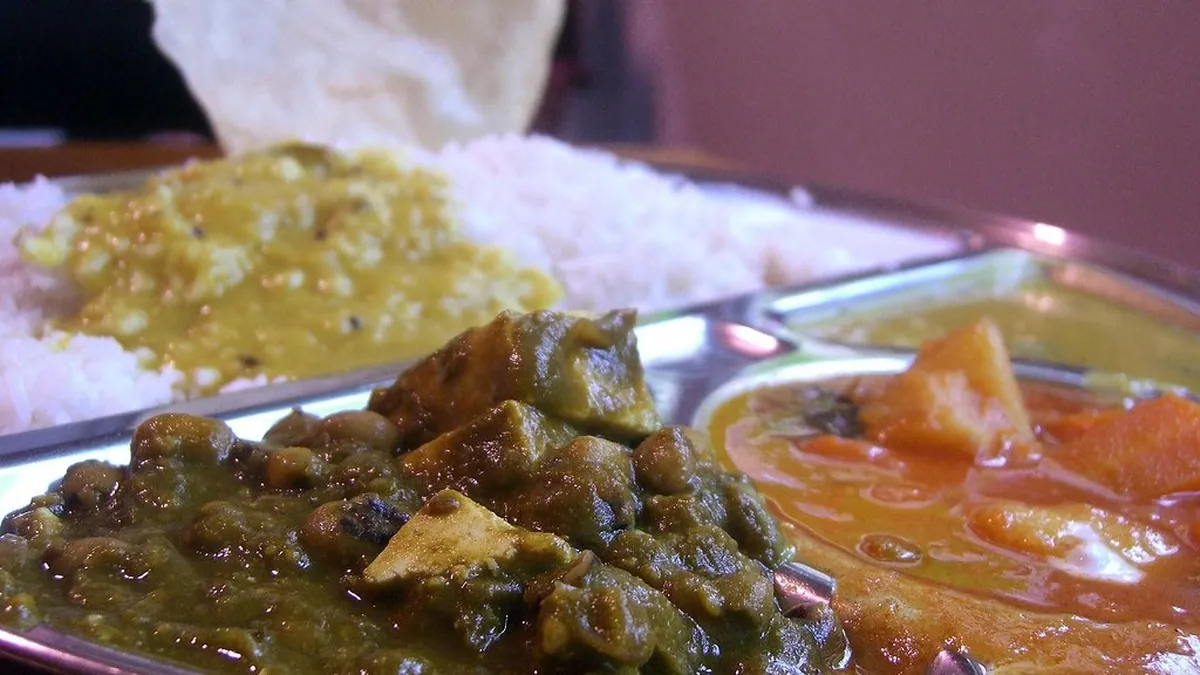
A familiar Indian kitchen already holds most of what you need. Build your meals around these groups:
| Food group | Good choices | Why it helps |
|---|---|---|
| Protein | Dal, rajma, chana, paneer, curd, eggs, milk, soya, fish and chicken | Repairs tissue, supports immunity and protects muscle |
| Energy-dense foods | Nuts, peanut butter, dry fruits, ghee or oil in moderation, milkshakes | Adds calories when appetite is small |
| Soft, easy-to-digest meals | Khichdi, idli, upma, dalia, curd rice, soups | Gentle on a sore mouth or an upset stomach |
| Fruits and vegetables | Seasonal fruits and well-cooked vegetables, washed thoroughly | Provides vitamins, minerals and fiber |
| Fluids | Water, buttermilk, coconut water, clear soups, ORS when needed | Prevents dehydration, especially with diarrhea or vomiting |
Patients with diabetes, kidney disease or a stoma need individual adjustments, so always check the plan with your team.
Eating Well When Side Effects Get in the Way
- Nausea: eat small, dry meals every 2 to 3 hours, sip ginger or lemon water and avoid strong cooking smells.
- Mouth sores: choose soft, cool, non-spicy foods such as curd rice, custard and smoothies.
- Taste changes: add lemon, mint or herbs; a metallic taste may improve with plastic cutlery.
- Diarrhea: drink ORS, eat banana, rice and curd, and avoid oily, fried or very high-fiber foods until it settles.
- Constipation: increase fluids, include fruits, vegetables and whole grains, and walk daily if you can.
- Poor appetite: eat by the clock rather than by hunger, have six small meals instead of three large ones and use protein drinks between meals.
- Difficulty swallowing: soft, moist or blended foods help, and some patients treated for head and neck cancers need temporary feeding tube support to keep up their nutrition.
Nutrition Before and After Cancer Surgery
Good nutrition before surgery builds reserves for recovery, and many centers now use a short period of “prehabilitation,” with extra protein and exercise, before major operations. After surgery, the right diet depends on the organ involved:
- After stomach cancer surgery, small, frequent meals help prevent early fullness and dumping syndrome, and vitamin B12, iron and calcium levels need long-term monitoring.
- After esophageal cancer surgery, patients move gradually from liquids to soft foods, sometimes with temporary tube feeding.
- After part of the pancreas is removed during pancreatic cancer surgery, pancreatic enzyme capsules often help digestion and prevent weight loss.
- After colorectal cancer surgery, especially with a stoma, fluids and fiber are adjusted to control output.
Enhanced recovery pathways and minimally invasive approaches such as robotic cancer surgery encourage many patients to start eating again soon after their operation, which supports faster healing.
Supplements: What Is Safe and What Needs Caution
Often Useful When Prescribed
- Oral nutritional supplement drinks when food alone is not enough
- Vitamin D, calcium, iron or vitamin B12 when blood tests show a deficiency
- Folic acid and vitamin B12 given deliberately with certain chemotherapy drugs, such as pemetrexed, to reduce side effects
Use Only After Checking With Your Oncologist
- High-dose antioxidants such as vitamin C, vitamin E and beta-carotene, which may reduce the effectiveness of some chemotherapy and radiation
- Concentrated turmeric (curcumin) capsules, which can interact with some cancer drugs and blood thinners; turmeric used in normal cooking is generally fine
- Green tea extract and other concentrated herbal extracts, which can strain the liver
- St John’s wort and grapefruit juice, which change how the body processes many medicines
- Herbal, Ayurvedic or homeopathic “immunity boosters”, whose contents and interactions are often unknown
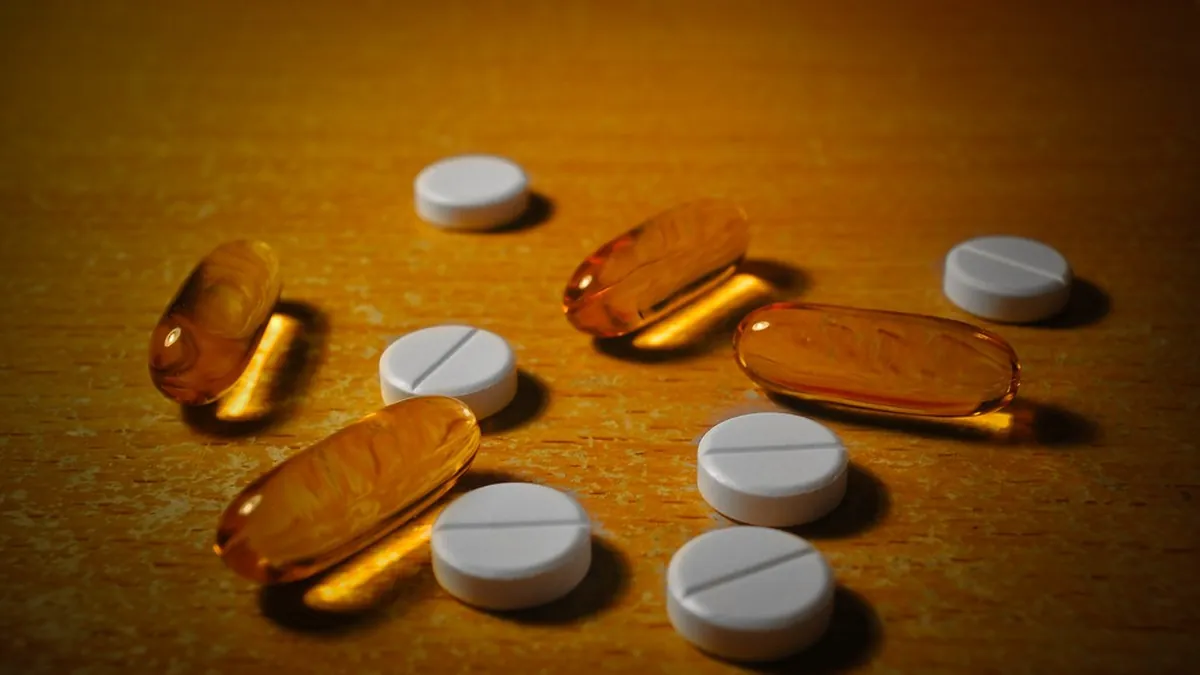
The National Cancer Institute’s guidance on nutrition in cancer care gives the same advice: tell your cancer team about every vitamin, herb and supplement you take. A simple rule is to bring every bottle and packet to your next appointment.
Food Safety When Immunity Is Low
Chemotherapy can lower white blood cell counts, which makes food-borne infections more dangerous. During these periods:
- Wash your hands before cooking and eating.
- Eat freshly cooked, hot food and avoid leftovers kept for long.
- Avoid street food, raw sprouts, unpasteurized milk and undercooked eggs, meat or fish.
- Drink boiled or properly filtered water.
- Wash fruits well and prefer ones you can peel.
Common Cancer Diet Myths
- “Sugar feeds cancer.” All cells use glucose, and cutting out sugar does not starve a tumor. Limiting refined sugar is sensible for general health and diabetes, but severe restriction can worsen weight loss.
- “An alkaline diet cures cancer.” Food cannot change the pH of your blood or tumor in any meaningful way.
- “Fasting starves cancer.” Fasting during treatment without medical supervision can cause dangerous weight and muscle loss.
- “Stop all milk or non-vegetarian food.” Unnecessary restrictions remove valuable protein unless your team advises otherwise.
- “Juices alone are enough.” Juice diets lack protein and can leave patients malnourished.
Questions to Ask Your Oncologist or Dietitian
- How much protein and how many calories do I need each day?
- Which foods should I avoid during my specific treatment?
- Is it safe to continue the supplements I already take?
- What should I do if I lose weight or cannot eat?
- Do I need nutritional drinks, vitamins or enzyme capsules?
- Which food safety precautions apply on my low-count days?
Nutrition should be part of your overall plan, whether you are preparing for chemotherapy after cancer surgery, going through several rounds of chemotherapy for advanced cancer, or following a personalized cancer treatment plan.
The Bottom Line
The best food and supplements for cancer patients during treatment are decided by your oncologist together with a qualified oncology dietitian, not by advertisements or forwarded messages. Focus on enough protein and calories from familiar, safe foods, manage side effects early, correct proven deficiencies and check every supplement before you take it. Eating well will not replace treatment, but it can help you get through treatment stronger.
Frequently Asked Questions
Your treating oncologist should approve any diet change or supplement, and a qualified oncology dietitian or clinical nutritionist working with your cancer team should design your meal plan. For diet before and after an operation, your surgical oncologist also guides the plan.
A balanced, protein-rich diet built from familiar foods works best: dal, eggs, paneer, curd, milk, fish or chicken, soft meals such as khichdi and idli, well-washed fruits, cooked vegetables and plenty of fluids, adjusted to your side effects.
Only with your oncologist’s approval. Correcting a proven deficiency, such as low vitamin D or B12, is often helpful, but high-dose antioxidants and herbal supplements can interfere with chemotherapy or radiation.
Turmeric used as a spice in everyday cooking is generally safe. Concentrated curcumin capsules are different, because they may interact with some cancer drugs and blood thinners, so check with your oncologist before taking them.
No. Sugar does not directly feed a tumor more than other foods, and severe restriction can worsen weight loss. It is sensible to limit refined sugar for general health, especially if you have diabetes, while keeping enough calories.
Most cancer patients need more than 1 gram of protein per kilogram of body weight per day, and up to 1.5 grams when possible. A 60 kg adult would aim for about 60 to 90 grams daily, unless kidney disease requires a different target.
Medical disclaimer: This article is for general education and does not replace a personal consultation. Cancer care is individual, so please discuss your reports, symptoms and treatment options with a qualified specialist before making any decision.
Image credits: Saag paneer, Mixed Vegetable Curry, Dal - Vegetarian Lunch - Zam Zam by avlxyz, CC BY-SA 2.0 · Keeping Healthy - 21st Century Style by YuMaNuMa, CC BY 2.0 · Health professional holds fresh strawberries while discussing nutriti… by nenadstojkovicart, CC BY 2.0 · Eat healthy fruits and veggies bowl by Trace Nietert, CC BY 2.0