

Quick answer
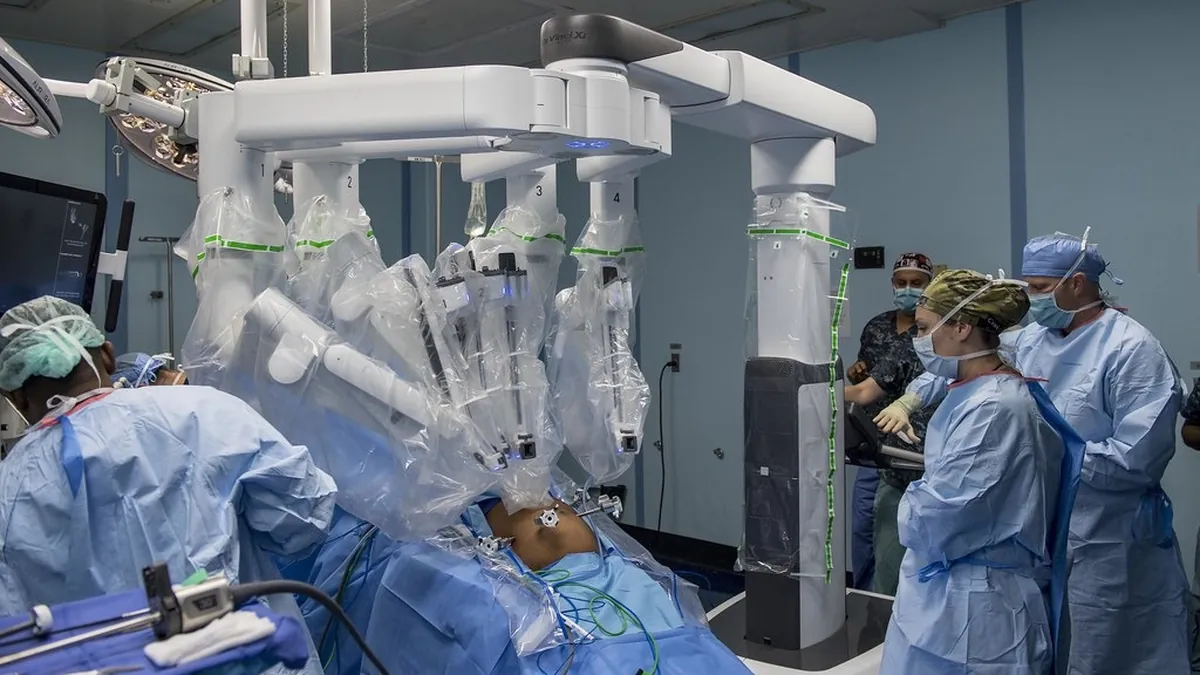
In Hyderabad, you can get a second opinion for stage 3 stomach cancer from an experienced gastrointestinal surgical oncologist working within a multidisciplinary tumor board, such as Dr. Anvesh Dharanikota at Arete Hospitals, Gachibowli. A good second opinion confirms the stage, often with a staging laparoscopy, checks HER2 and MSI results, and reviews the standard plan of perioperative chemotherapy with radical gastrectomy and D2 lymph node dissection, including whether laparoscopic or robotic surgery suits you.
Hearing that stomach cancer has reached stage 3 can feel overwhelming, especially when the first plan you are given involves months of chemotherapy and a major operation. It is entirely reasonable to want another expert to look at your reports before you begin. If you are asking where to get a second opinion consultation for stage 3 stomach cancer treatment options in Hyderabad, this guide explains what a good second opinion should cover and how to prepare for it.
Stage 3 stomach cancer is serious, but it is usually treated with the aim of cure. The quality of staging, the choice of chemotherapy and the skill of the surgery all influence the result, which is why a careful second look is worth the effort.
What Does Stage 3 Stomach Cancer Mean?
Stomach cancer is staged by how deeply the tumor has grown into the stomach wall, how many nearby lymph nodes contain cancer and whether it has spread elsewhere. In stage 3, the cancer has grown deeply into or through the stomach wall and usually involves several regional lymph nodes, but it has not spread to distant organs such as the liver or to the lining of the abdomen.
Because the disease is still regional, most patients with stage 3 stomach cancer are offered treatment with curative intent, typically a combination of chemotherapy and surgery.
Standard Treatment Options for Stage 3 Stomach Cancer
Perioperative Chemotherapy
For fit patients, a common approach is chemotherapy both before and after surgery. The FLOT regimen, which combines 5-fluorouracil with leucovorin, oxaliplatin and docetaxel, is usually given every two weeks for four cycles before and four cycles after the operation. Treatment before surgery shrinks the tumor, treats hidden spread early and shows how the cancer responds. Trials are also testing the addition of immunotherapy to this approach for selected patients.
Radical Gastrectomy With D2 Lymph Node Dissection
Surgery removes part or all of the stomach, depending on where the tumor is, in an operation called a gastrectomy, together with a systematic D2 lymphadenectomy that clears the lymph node groups around the stomach. Removing and examining at least 16 lymph nodes is considered essential for accurate staging. Learn more about stomach cancer surgery with D2 lymph node dissection in Hyderabad.
Surgery First, Then Chemotherapy
When a tumor is bleeding heavily or blocking the stomach, or when a patient is not fit for intensive chemotherapy, surgery may come first, followed by chemotherapy. The final pathology report then guides the next step, as explained in our guide on who decides on chemotherapy after cancer surgery.
Tumors Near the Esophagus
Cancers at the junction of the stomach and esophagus may be treated along the lines of esophageal cancer treatment, sometimes with chemoradiation before surgery, so the exact location of the tumor matters.
What a Good Second Opinion for Stage 3 Stomach Cancer Should Review
- Confirmation of the stage: a fresh review of CT or PET-CT images and endoscopy findings
- Staging laparoscopy: a short keyhole procedure, often with peritoneal washings, that detects small deposits on the abdominal lining that scans can miss
- Biomarkers: HER2, MSI or mismatch repair status and PD-L1, which may change drug choices; see how doctors choose the chemotherapy that works best
- Fitness and nutrition: weight loss, eating difficulty and blood counts, which affect the timing of chemotherapy and surgery
- The sequence of treatment: perioperative chemotherapy or surgery first
- The type of operation: subtotal or total gastrectomy, D2 lymphadenectomy and whether a minimally invasive approach suits you
- Peritoneal risk: whether positive washings or limited peritoneal disease call for specialized options discussed at a tumor board
Laparoscopic and Robotic Surgery for Stage 3 Stomach Cancer
In experienced hands, laparoscopic and robotic gastrectomy can achieve the same thorough lymph node dissection as open surgery for selected patients, with less pain and a quicker return to eating and walking. Large trials in East Asia, where stomach cancer is common, have shown that laparoscopic distal gastrectomy gives cancer outcomes comparable to open surgery for locally advanced disease. Suitability depends on tumor size and location, previous surgery and the surgeon’s experience.
Is HIPEC an Option?
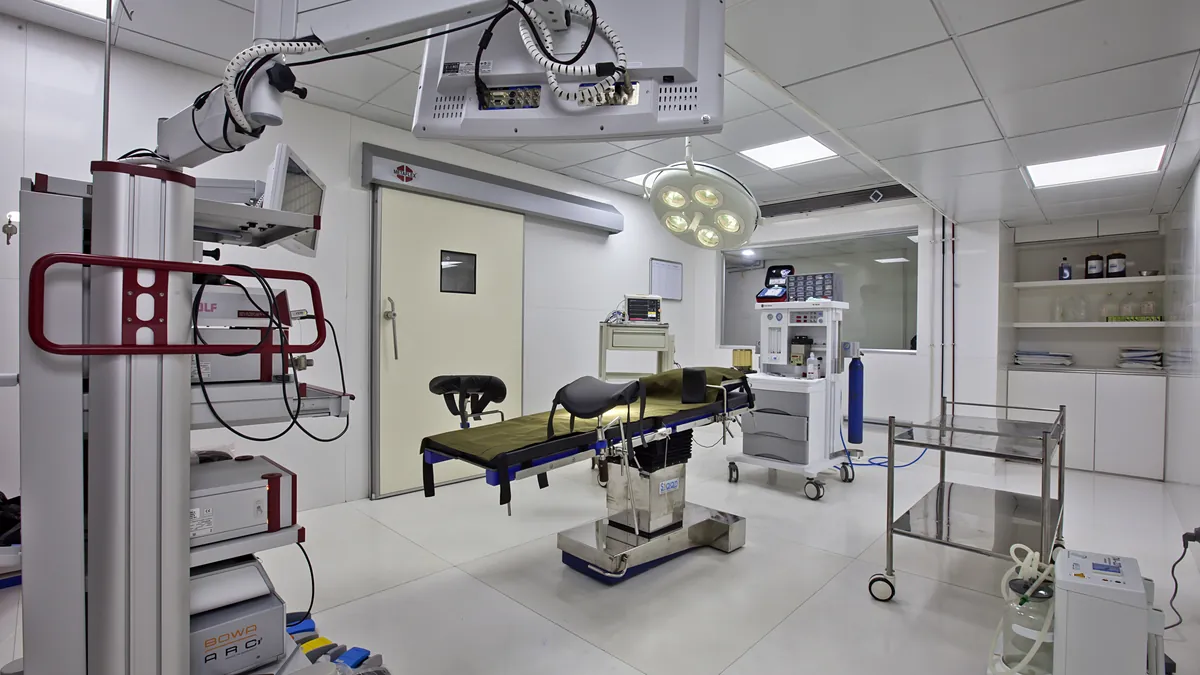
Hyperthermic intraperitoneal chemotherapy is not routine for stage 3 stomach cancer. In highly selected patients with limited peritoneal spread or positive washings, cytoreductive surgery with HIPEC may be considered at specialized centers, ideally within a clinical trial or after careful tumor board review. An honest second opinion should explain both the potential and the limits of such treatment.
What to Bring to Your Second Opinion Consultation
- Endoscopy and biopsy reports, with biopsy slides or blocks if available
- CT, PET-CT or endoscopic ultrasound images on a CD or as digital files
- HER2, MSI or other biomarker reports
- The staging laparoscopy report, if already done
- Blood tests, including hemoglobin and kidney and liver function
- Details of any chemotherapy received so far, with dates and doses
- A list of your medicines, your weight history and your questions
Our guide to preparing for a pancreatic cancer second opinion follows the same principles and may help you organize your records.
Questions to Ask About Stage 3 Stomach Cancer Treatment Options
- Do you agree with my stage, and has a staging laparoscopy been done or planned?
- Should I receive chemotherapy before surgery, and which regimen?
- Which operation do I need, and will a D2 lymph node dissection be performed?
- Am I suitable for laparoscopic or robotic surgery?
- How will my eating and nutrition change after gastrectomy?
- What is the expected recovery time, and when can I return to work?
- What will the full treatment cost, and how can insurance help?
Nutrition and Recovery After Gastrectomy
After a gastrectomy, patients eat smaller, more frequent meals, gradually rebuild strength and need long-term monitoring of vitamin B12, iron and calcium. Planning nutrition before and after surgery makes a real difference to recovery and to completing chemotherapy; our guide on food and supplements for cancer patients during treatment offers practical advice.
Where to Get a Second Opinion for Stage 3 Stomach Cancer in Hyderabad
Hyderabad has several hospitals with gastrointestinal cancer expertise, and our guide to the best cancer centers in Hyderabad with integrated oncology services explains how to compare them. Dr. Anvesh Dharanikota, Senior Consultant Surgical Oncologist and Head of Department at Arete Institute of Oncology, Arete Hospitals, Gachibowli, specializes in complex GI cancer surgery, including laparoscopic and robotic gastrectomy with D2 lymphadenectomy. He completed a fellowship at Yonsei Cancer Center, Severance Hospital, Seoul, one of Asia’s leading centers for minimally invasive gastrointestinal cancer surgery, and reviews stage 3 stomach cancer cases with medical oncology, radiology and pathology colleagues.
Consultations are available on Monday, Wednesday, Thursday, Friday and Saturday from 9 AM to 5 PM at OP Room No. 17, B-Wing, Arete Hospitals, Gachibowli.
Conclusion
A second opinion for stage 3 stomach cancer should confirm your stage, check biomarkers, review the balance between chemotherapy and surgery and make sure the planned operation offers the best chance of cure. In Hyderabad, seek an experienced GI surgical oncologist working within a multidisciplinary team, bring complete records and ask clear questions. The right plan, started on time, gives patients with stage 3 stomach cancer their best chance.
Frequently Asked Questions
Many patients with stage 3 stomach cancer are treated with the aim of cure. Combining chemotherapy with radical surgery offers the best chance, and the outcome depends on the number of lymph nodes involved, the response to chemotherapy and overall fitness.
For fit patients, the usual approach is chemotherapy before and after surgery, commonly the FLOT regimen, combined with a radical gastrectomy and D2 lymph node dissection. Surgery may come first in selected situations, such as bleeding or obstruction.
FLOT combines 5-fluorouracil with leucovorin, oxaliplatin and docetaxel. It is given every two weeks, usually for four cycles before surgery and four cycles after surgery, in patients who are fit enough for it.
CT scans can miss small cancer deposits on the lining of the abdomen. A staging laparoscopy looks directly inside the abdomen and can test fluid for cancer cells, which helps avoid unnecessary major surgery and guides the treatment plan.
In selected patients and in experienced hands, yes. Laparoscopic and robotic gastrectomy can achieve a thorough D2 lymph node dissection with less pain and faster recovery, depending on tumor size, location and previous surgery.
You can consult Dr. Anvesh Dharanikota, a GI surgical oncologist at Arete Institute of Oncology, Arete Hospitals, Gachibowli. Call +91 94402 33339 to book, and bring your endoscopy, biopsy, scan and biomarker reports.
Medical disclaimer: This article is for general education and does not replace a personal consultation. Cancer care is individual, so please discuss your reports, symptoms and treatment options with a qualified specialist before making any decision.
Image credits: Digestive System Anatomy Embroidery by Hey Paul Studios, CC BY 2.0 · Wings Laparoscopic operating theatre by Dr.jayesh amin, CC BY-SA 3.0 · 2023-09 - Robot chirurgien Da Vinci Xi - Centre hospitalier de Vesoul… by A.BourgeoisP, CC BY-SA 4.0 · 180504-N-RM689-0079 by Commander, U.S. 7th Fleet, CC BY-SA 2.0