

Quick answer
No single test can guarantee in advance which chemotherapy will work best, but oncologists can predict it far better than before. They choose based on where the cancer started and its microscopic type, its stage and the goal of treatment, biomarkers such as HER2, EGFR or MSI, genomic risk scores in some cancers, and your organ function and fitness. The response is then checked with scans after 2 to 3 cycles, and treatment is changed if it is not working.
Few moments in cancer care feel as uncertain as starting chemotherapy. You want to know that the drugs entering your body are the right ones, and that you are not losing precious time on a treatment that will not help. So it is natural to ask how you can know which chemotherapy will work best for your cancer type.
The encouraging news is that chemotherapy is no longer chosen by guesswork. Decades of clinical trials, combined with modern pathology and biomarker testing, allow oncologists to match treatment to the cancer far more precisely. Here is how that choice is made and what you can ask.
Why There Is No Single “Best” Chemotherapy
Cancer is not one disease. A breast cancer and a stomach cancer behave differently, and even two breast cancers can respond to entirely different drugs. For each cancer type and stage, clinical trials have identified chemotherapy regimens that work better than others, and those regimens form the starting point. The chemotherapy that will work best for you is the one that fits your cancer’s biology, your stage and your body.
Factor 1: Where the Cancer Started and How It Looks Under the Microscope
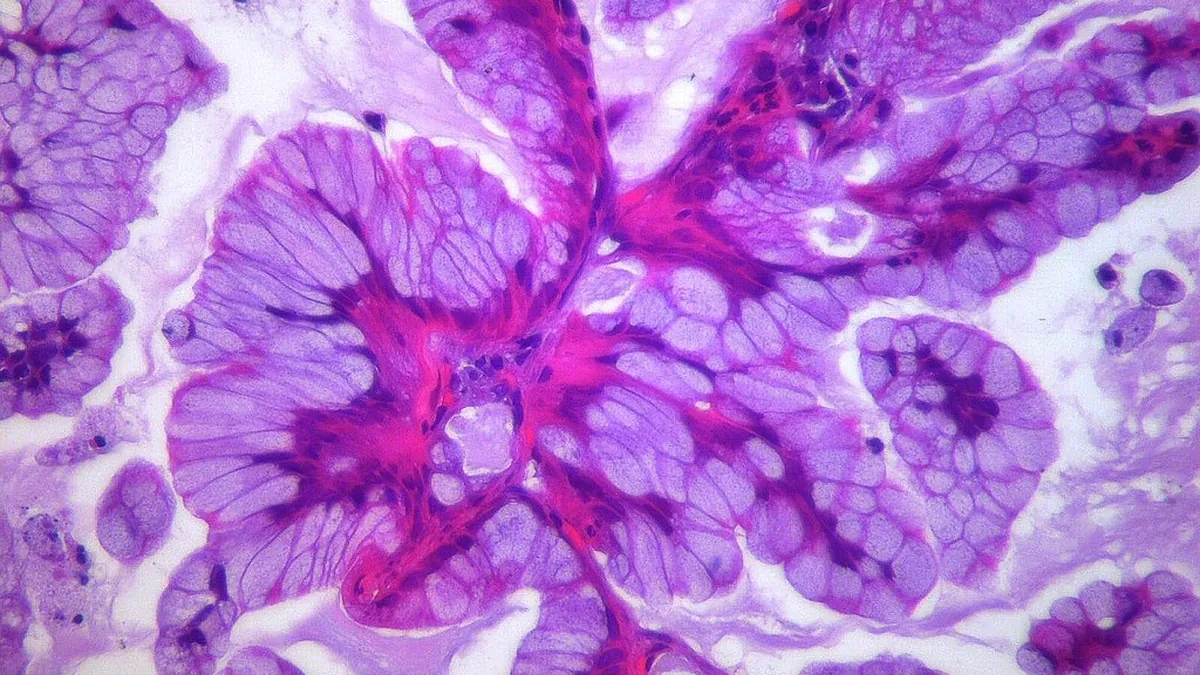
The organ of origin and the histology, meaning the type of cell the cancer grew from, are the foundation of every decision about which chemotherapy will work best. Adenocarcinoma and squamous cell carcinoma of the lung respond differently to certain drugs, and small cell lung cancer is treated with completely different regimens from non-small cell lung cancer. Pathologists use immunohistochemistry to confirm the exact type, and even to identify where a cancer started when it is first found in the liver or lymph nodes.
This is why a high-quality biopsy matters so much. For patients seeking lung cancer treatment in Hyderabad, an adequate tissue sample allows both histology and biomarker testing from a single procedure.
Factor 2: The Stage and the Goal of Treatment
Which chemotherapy works best also depends on why it is being given:
- Before surgery (neoadjuvant): to shrink the tumor and treat hidden spread early. Perioperative chemotherapy is a standard part of stomach cancer treatment for locally advanced disease, and chemotherapy or chemoradiation often comes before surgery in esophageal cancer treatment.
- After surgery (adjuvant): to lower the risk of the cancer returning, based on the final pathology report.
- For advanced disease: to control the cancer and relieve symptoms for as long as possible, often in phases, as explained in our guide to how many rounds of chemo is normal for stage 4 cancer.
Factor 3: Biomarkers That Predict Which Chemotherapy Will Work Best
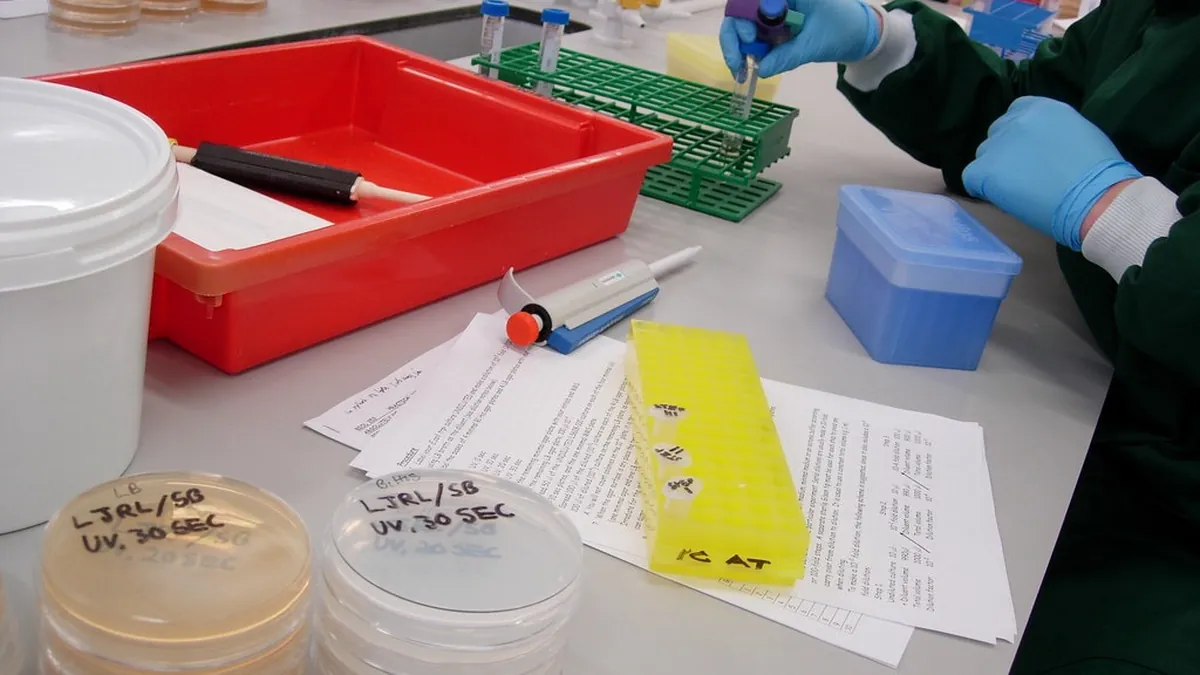
Biomarkers are features of a tumor that predict whether a particular drug is likely to help. The National Cancer Institute explains biomarker testing in detail; common examples include:
| Cancer | Key biomarkers | How they change treatment |
|---|---|---|
| Breast | ER, PR, HER2, Ki-67 | Hormone therapy for receptor-positive cancers; anti-HER2 drugs such as trastuzumab for HER2-positive cancers |
| Lung (non-small cell) | EGFR, ALK, ROS1, KRAS, PD-L1 | Targeted tablets or immunotherapy may be used instead of, or together with, chemotherapy |
| Colorectal | RAS, BRAF, MSI/MMR, HER2 | Anti-EGFR antibodies only for RAS wild-type tumors; immunotherapy for MSI-high cancers |
| Stomach and esophagus | HER2, PD-L1, MSI | Trastuzumab for HER2-positive tumors; immunotherapy added for suitable tumors |
| Ovarian | BRCA, HRD | PARP inhibitor maintenance after platinum chemotherapy |
In advanced colorectal cancer treatment in Hyderabad, for instance, RAS and MSI results are essential before the drug combination is chosen.
Factor 4: Genomic Risk Tests for Early Cancers
In some early cancers, the question is not which chemotherapy but whether chemotherapy is needed at all. In early hormone receptor-positive, HER2-negative breast cancer, multigene tests such as Oncotype DX estimate the risk of recurrence and how much chemotherapy would add, helping many women safely avoid it. Similarly, MSI status helps decide whether chemotherapy benefits some patients with stage II colon cancer. These tests are discussed as part of comprehensive breast cancer treatment planning.
Factor 5: Your Body and Your Genes
- Organ function: kidney, liver and heart function determine which drugs and doses are safe.
- Fitness and age: a fit patient may benefit from a three-drug combination, while a frail patient may do better with a gentler regimen.
- Other conditions: existing nerve damage, diabetes or heart disease may rule out drugs with overlapping side effects.
- Drug-metabolism genes: testing for dihydropyrimidine dehydrogenase (DPD) deficiency before fluorouracil or capecitabine can identify patients at risk of severe toxicity.
What About Chemosensitivity Tests?
Some laboratories offer tests that grow cancer cells from a tumor sample and expose them to different drugs to predict which will work. The idea is appealing, but current evidence has not shown that choosing chemotherapy this way improves survival, and major oncology societies do not recommend these assays for routine use outside clinical trials. Research on tumor organoids may change this in future. Until then, validated biomarkers remain far more reliable, and it is reasonable to ask how any recommended test will change your treatment before paying for it.
How Doctors Check Whether Chemotherapy Is Working
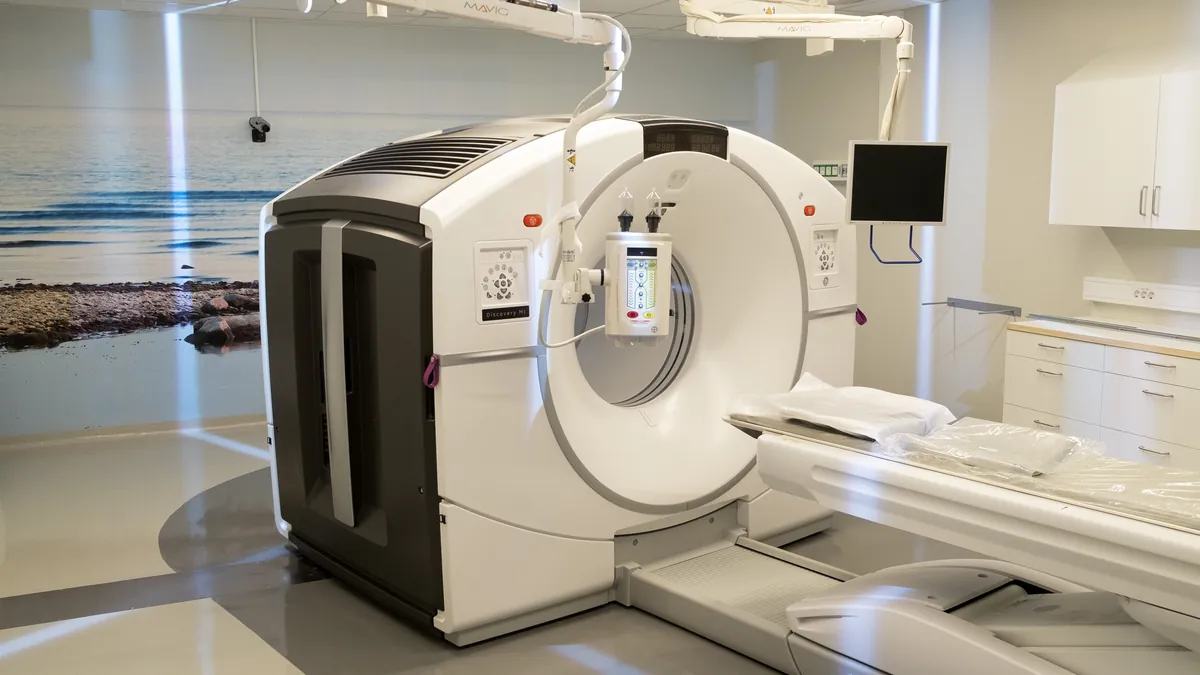
- Scans: CT, MRI or PET-CT after 2 to 3 cycles, compared with the baseline images.
- Tumor markers: trends in markers such as CEA, CA 19-9 or CA-125, where they were raised to begin with.
- Symptoms: less pain, a better appetite or easier breathing.
- Pathology after surgery: when chemotherapy is given first, the removed tumor shows how much of it was destroyed.
If the cancer does not respond, the team switches to another regimen rather than continuing an ineffective treatment. In selected patients with disease on the lining of the abdomen, chemotherapy can even be delivered directly into the abdomen through cytoreductive surgery with HIPEC.
Questions to Ask Your Oncologist
- What type and subtype of cancer do I have?
- Which biomarker tests were done, and what did they show?
- Why is this regimen the best choice for my cancer and my health?
- What is the goal: cure, shrinking the tumor before surgery or long-term control?
- When will we check whether it is working?
- Which side effects should I expect, and how will they be managed?
These questions are part of building a truly personalized cancer treatment plan, and they are easier to explore with a cancer specialist who spends more time with patients.
The Bottom Line
You cannot know with certainty which chemotherapy will work best before treatment starts, but you can make sure the choice rests on the right information: accurate histology, stage, biomarkers, your health and your goals. With regular response checks and a team willing to adapt, the odds that your treatment is the right one are far higher than ever before.
Frequently Asked Questions
No test can guarantee a response in advance. Biomarker tests reliably predict the benefit of many targeted and hormone treatments, but laboratory chemosensitivity assays are not recommended for routine use because they have not been shown to improve survival.
Treatment depends on the cancer’s subtype, stage, biomarkers and the goal of treatment, as well as each patient’s age, fitness and organ function. Two people with the same cancer name can therefore need very different regimens.
Biomarker testing looks for proteins, genes or other features of a tumor, such as HER2, EGFR, ALK or MSI, that predict whether specific treatments are likely to work. It is usually done on the biopsy or on the tissue removed at surgery.
Most oncologists repeat scans after 2 to 3 cycles, usually 6 to 12 weeks after starting treatment. Improving symptoms and falling tumor markers can sometimes give earlier clues.
Your oncologist will switch to a different regimen, often called second-line treatment, or consider targeted therapy, immunotherapy, radiation, surgery in selected cases or a clinical trial.
Not completely. For some cancers, such as EGFR-mutant lung cancer, targeted tablets are used instead of chemotherapy. In many others, targeted drugs or immunotherapy are combined with chemotherapy to make it more effective.
Medical disclaimer: This article is for general education and does not replace a personal consultation. Cancer care is individual, so please discuss your reports, symptoms and treatment options with a qualified specialist before making any decision.
Image credits: Biology 253 Lab by lofaesofa, CC BY 2.0 · all in a day's work by Dawn Huczek, CC BY 2.0 · Perituskliniken PET-CT-scan Medicon Village Lund 280820 (50277773148) by News Oresund, CC BY 2.0 · Invasive mucinous adenocarcinoma Case 115 by Pulmonary Pathology, CC BY-SA 2.0