
Quick answer
Look for a sub-specialist cancer doctor, such as a surgical oncologist who focuses on your type of cancer, who sees patients by appointment, reviews your scans and reports with you, discusses complex cases in a multidisciplinary tumor board and welcomes questions and second opinions. Patient reviews that mention clear explanations and patience are a good sign. In Hyderabad, you can consult Dr. Anvesh Dharanikota at Arete Hospitals, Gachibowli, for an unhurried surgical oncology consultation.
A cancer diagnosis brings a flood of unfamiliar words, scans and decisions. In that moment, the most valuable thing a doctor can give you is time: time to explain, to listen and to answer the same question twice if needed. That is why so many people search for cancer specialists who spend more time with patients, instead of feeling rushed out of a crowded outpatient room after a few minutes.
This guide explains why consultation time matters, why it is often short, where to find a cancer specialist who spends more time with patients in Hyderabad and across India, and how to make every minute of your appointment count.
Why Consultation Time Matters in Cancer Care
Cancer treatment is rarely a single decision. It is a sequence of choices about tests, surgery, chemotherapy, radiation and recovery. Research on shared decision-making in medicine shows that when patients understand their options and take part in choosing them, they feel less anxious, follow treatment more closely and are more satisfied with the result.
Good communication also protects you. Genuine informed consent is only possible when the benefits, risks and alternatives of a procedure are explained in words you understand. A doctor who takes the time to do this is not being slow; they are practising safe medicine.
Why Cancer Consultations Often Feel Rushed
- Large hospitals may see hundreds of outpatients a day, which squeezes appointment slots.
- Walk-in queues make waiting times unpredictable, so doctors hurry to keep the line moving.
- Junior doctors may collect your history first, leaving only a short final meeting with the consultant.
- Patients often arrive without organized reports, so much of the visit goes into sorting paperwork.
None of this means the care is poor, but it can leave you with unanswered questions at the very moment you need clarity most.
The good news is that rushed care is not inevitable. Many cancer specialists who spend more time with patients work in the same cities and hospitals as everyone else; they simply organize their clinics differently. Once you know what to look for, they become much easier to find.
Where to Find Cancer Specialists Who Spend More Time With Patients
1. Sub-Specialists Who Focus on Your Type of Cancer
A surgical, medical or radiation oncologist who concentrates on specific cancers can explain your situation in depth because they manage it every day. A surgeon experienced in colorectal cancer treatment, including sphincter-preserving surgery, for example, can explain exactly why one operation is chosen over another and what life will look like afterwards.
2. Appointment-Based Specialist Clinics
Clinics that book fixed consultation slots, rather than running open queues, make it easier for doctors to give each patient focused time. When you call, ask whether a longer first appointment is possible for a new diagnosis.
3. Centers That Run Multidisciplinary Tumor Boards
When your case is discussed at a tumor board by surgeons, medical and radiation oncologists, radiologists and pathologists, the time invested in your plan goes far beyond the consultation itself.
4. Second Opinion Consultations
Doctors who offer structured second opinions expect to go through your reports in detail. A second opinion is a normal and respected part of cancer care, not a sign of mistrust in your first doctor.
5. Doctors Who Stay Reachable After the Visit
Look for a clear follow-up route, such as a coordinator, a phone number or a scheduled review, so that questions arising at home do not have to wait for weeks.
6. Specialists With Consistent Patient Feedback
Reviews that repeatedly mention patience, clear explanations and availability say more than star ratings alone. Reading patient testimonials and treatment stories gives you a feel for a doctor’s communication style before you visit.
Signs Your Cancer Specialist Is Giving You Enough Time
- They look at your scans with you and explain the stage in plain language.
- They discuss more than one option, including not operating when that is appropriate.
- They explain the expected recovery, possible complications and realistic outcomes.
- They talk openly about costs, insurance and timelines.
- They invite family members to ask questions.
- They give you a written summary or a clear next step.
- They support your wish for a second opinion.
Before recommending robotic cancer surgery, for instance, a thorough surgeon will explain why a minimally invasive approach suits your case, how it compares with open or laparoscopic surgery, and what recovery at home will look like.
How to Make the Most of Every Consultation
- Organize your reports. Arrange biopsy and immunohistochemistry reports, CT, MRI or PET-CT scans with their images, blood tests and discharge summaries in date order.
- Write down your questions. Put the three most important ones at the top of the list.
- Bring one or two family members. One can listen while the other takes notes.
- Ask for the plan in steps. What happens this week, this month and after treatment ends?
- Clarify confusing blood reports. If a result is worrying you, ask what it means in your case; our guide to what a raised ESR level means for cancer patients is a good example of how context changes the meaning of a number.
- Ask how long treatment will last. If chemotherapy is planned, ask how many cycles are expected before the first scan; reading how many rounds of chemo are normal for stage 4 cancer can help you prepare.
- Confirm how to reach the team. Know whom to call about side effects or urgent concerns.
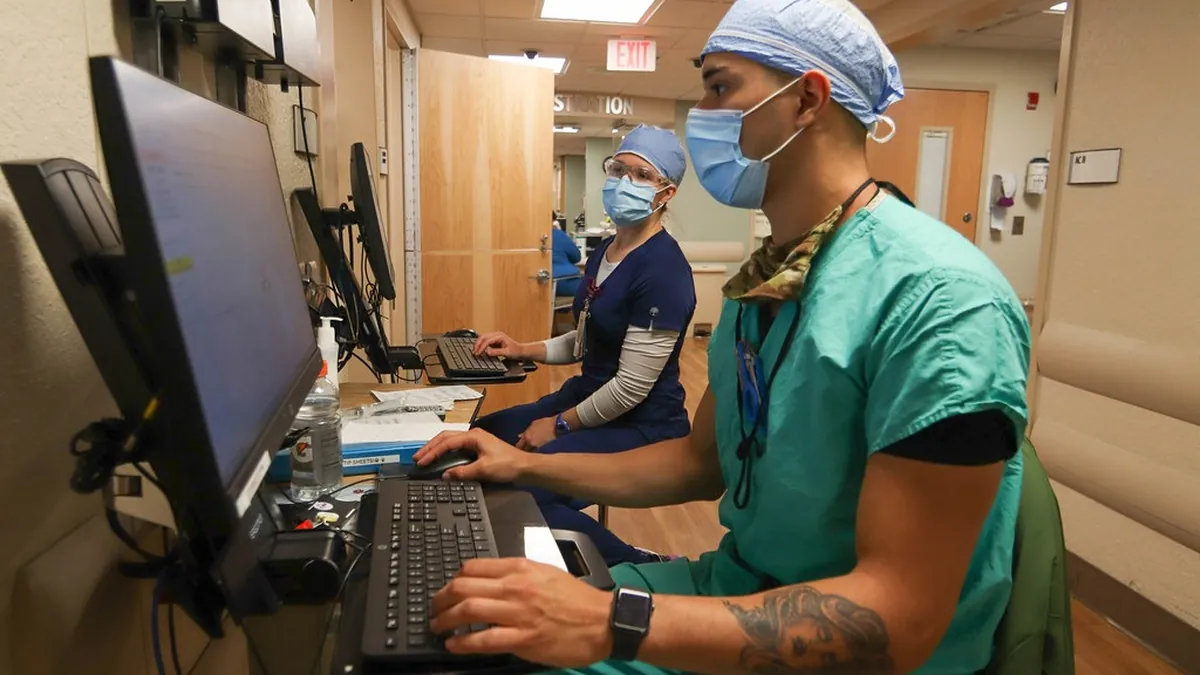
What a Patient-Centered Consultation Looks Like With Dr. Anvesh
Dr. Anvesh Dharanikota is a surgical oncologist with more than 12 years of experience in robotic, laparoscopic and open cancer surgery. His OPD at Arete Hospitals, Gachibowli, is designed so that a first consultation covers your symptoms and history, a review of your scans and pathology, a clear explanation of the stage and a discussion of treatment options, including when surgery is and is not the right choice.
Complex cases, from oncoplastic breast cancer surgery to liver and pancreatic cancer surgery, are discussed with medical oncology, radiation oncology, radiology and pathology colleagues so that the plan reflects every specialty. One patient described the experience in a Google review: “He explained everything clearly, made me feel comfortable, and handled the surgery with great skill… he was always available to answer my doubts with patience.” Like other cancer specialists who spend more time with patients, he encourages families to join the discussion and bring every question they have.
Before your visit, you can review the complete list of cancer surgery services offered in Hyderabad and read answers to frequently asked questions about cancer surgery.
Final Thoughts
Finding cancer specialists who spend more time with patients is not about finding the longest appointment. It is about finding a doctor and a team who explain clearly, plan carefully, stay reachable and respect your questions. Prepare well, ask openly and do not hesitate to seek another opinion until you feel confident about the path ahead.
Frequently Asked Questions
There is no fixed rule, but a first consultation for a new cancer diagnosis needs enough time to review scans and pathology, explain the stage and discuss options. Many specialists set aside a longer slot for new patients, so ask for one when you book.
Yes. Cancer information is complex and good doctors expect questions. Asking for a simpler explanation, a diagram or a written summary is completely reasonable and helps you make safer decisions.
Yes, and it is recommended. A family member can take notes, remember details and ask questions you may forget. Most specialists welcome one or two companions in the consultation room.
A second opinion is a normal part of cancer care, especially before major surgery or long treatment. If you left with unanswered questions, seeing another specialist can give you clarity and confidence in your plan. Many people find cancer specialists who spend more time with patients through exactly this kind of consultation.
Bring biopsy and immunohistochemistry reports, scan reports with images or CDs, recent blood tests, discharge summaries, a list of current medicines and a written list of questions. Arranging them in date order saves valuable consultation time.
Yes. Patients travel from other cities and countries for surgical opinions. Call +91 94402 33339 or use the contact page to plan your visit and ask how to share your reports before you travel.
Medical disclaimer: This article is for general education and does not replace a personal consultation. Cancer care is individual, so please discuss your reports, symptoms and treatment options with a qualified specialist before making any decision.
Image credits: Mens Health Doctor Consultation in Office by phoenix_raye_photography, CC BY 2.0 · Paper files of medical records by Newtown grafitti, CC BY 2.0 · Medical Records by Georgia National Guard, CC BY 2.0 · Patient Talking With Doctor by NIHClinicalCenter, CC BY 2.0