


Quick answer
There is no single “normal” number. Many people with stage 4 cancer start with about 4 to 6 cycles of first-line chemotherapy over 3 to 6 months, with scans every 2 to 3 cycles. If the cancer responds and side effects are manageable, treatment often continues as lighter maintenance therapy; if it stops working, doctors switch to another line of treatment. The right number depends on the cancer type, its biomarkers, the response and your overall health.
When cancer has reached stage 4, one of the first practical questions families ask is how many rounds of chemo is normal for stage 4 disease. It is a fair question, because people want to plan work, finances and family life around treatment. Unlike early-stage cancer, where chemotherapy is usually given for a fixed period, treatment for stage 4 cancer is planned in phases and adjusted along the way.
This article explains what a chemotherapy round means, the typical schedules for common cancers, how doctors decide whether to continue, pause or change treatment, and when surgery may still have a role.
What Do Rounds of Chemo Actually Mean?
A cycle of chemotherapy is a period of treatment followed by a planned rest that allows healthy cells to recover. Most cycles last 14 or 21 days, although some regimens use 28-day cycles. A 21-day cycle, for example, may involve an infusion on day 1 and no further treatment until day 22. A course is a series of cycles, and a line of therapy is a particular treatment used until it stops working or can no longer be tolerated.
So when someone says they have had “six rounds,” that may mean about three months of treatment on a two-week schedule, or about four months on a three-week schedule. The National Cancer Institute’s guide to chemotherapy explains these schedules in more detail.
Why Stage 4 Chemotherapy Rarely Has a Fixed End Date
Stage 4 means the cancer has spread (metastasized) to distant organs such as the liver, lungs, bones, brain or the lining of the abdomen. For most stage 4 cancers, treatment aims to control the disease, relieve symptoms and help people live longer and better, rather than to remove every cancer cell. Because of that, treatment usually continues for as long as it is working and the side effects are acceptable, instead of stopping after a set number of cycles.
In selected patients, however, chemotherapy shrinks the disease enough to make surgery possible, which changes the plan completely. We return to this later in the article.

How Many Rounds of Chemo Is Normal for Stage 4? Typical Schedules by Cancer Type
The table below shows common first-line patterns. These are general examples only; your oncologist will tailor the plan to your cancer’s biology and your health.
| Cancer type | Common first-line approach | Typical initial phase |
|---|---|---|
| Colorectal cancer | FOLFOX or FOLFIRI every 2 weeks, or CAPOX every 3 weeks, often with a targeted antibody | About 4–6 months, then maintenance |
| Non-small cell lung cancer | Platinum-based chemotherapy every 3 weeks, often with immunotherapy; targeted tablets instead if an EGFR or ALK mutation is found | 4–6 cycles, then maintenance |
| Stomach cancer | FOLFOX or CAPOX, adding trastuzumab for HER2-positive tumors or immunotherapy for suitable tumors | About 4–6 months, then maintenance |
| Breast cancer | Hormone therapy with targeted tablets for hormone-positive disease; chemotherapy one drug at a time when needed; anti-HER2 therapy for HER2-positive disease | Continued while effective |
| Pancreatic cancer | FOLFIRINOX every 2 weeks, or gemcitabine with nab-paclitaxel | Continued while effective and tolerated |
| Ovarian cancer | Carboplatin and paclitaxel every 3 weeks, often with surgery between cycles | Usually 6 cycles, then maintenance in selected patients |
Across these cancers, 4 to 6 cycles, or roughly 3 to 6 months, is a common length for the first and most intensive phase. What happens next depends on the scans.
What Decides How Many Rounds of Chemo You Actually Receive
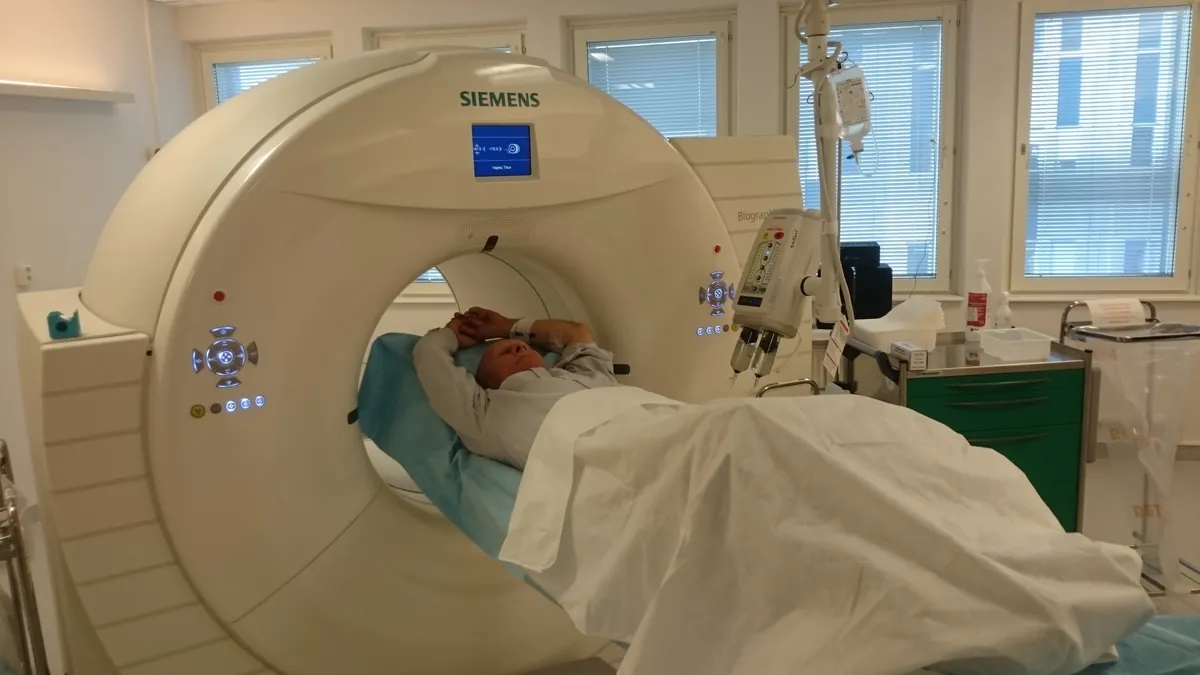
- Response on scans: CT or PET-CT scans every 2 to 3 months are compared using standard rules such as RECIST (Response Evaluation Criteria in Solid Tumors) to decide whether the cancer is shrinking, stable or growing.
- Side effects: nerve damage from oxaliplatin, low blood counts, fatigue or kidney effects may lead to dose reductions, delays or a planned pause.
- Performance status: doctors grade how active and independent you are using scales such as the ECOG performance status; people who stay active usually tolerate and benefit from treatment better.
- Tumor biology: biomarkers such as HER2, EGFR, ALK, KRAS, MSI and PD-L1 decide whether targeted drugs or immunotherapy replace or join chemotherapy.
- Your goals: some patients prioritize maximum disease control, while others prefer gentler treatment with more breaks. Both are valid choices that deserve an open discussion.
Blood tests are checked before every cycle as well. Inflammation markers, such as the ESR level in cancer patients, and tumor markers like CEA or CA 19-9 are read as trends alongside scans, never on their own.
Maintenance Therapy, Breaks and Changing Lines of Treatment
After the first rounds of chemo, several paths are possible:
- Maintenance therapy: a lighter drug or combination continues to hold the cancer in check with fewer side effects.
- Planned treatment breaks: in some cancers, such as colorectal cancer, a supervised pause with regular scans is a reasonable option once the disease is controlled, with treatment restarted if it grows.
- Second-line and later treatment: if the cancer progresses, a different combination is used. Many patients receive two, three or more lines of treatment over the course of their illness.
- Immunotherapy and targeted therapy: immunotherapy is often given for up to about two years in responding patients, while targeted tablets are usually taken daily for as long as they keep working.
Throughout, supportive and palliative care should run alongside treatment to control pain, nausea, appetite loss and emotional strain. New symptoms such as persistent headaches or unsteadiness should be reported early; our guide to the warning signs of a brain tumor explains what to watch for.
Can Surgery Help in Stage 4 Cancer?
Surgery is not routine in stage 4 disease, but in carefully selected situations it can extend life or even offer a chance of long-term control:
- Liver metastases from bowel cancer: when the spread is limited and chemotherapy controls it, removing the liver deposits through expert liver and pancreatic cancer surgery, together with the primary tumor, can offer long-term survival for some patients.
- Peritoneal spread: in selected colorectal, ovarian and other cancers confined to the lining of the abdomen, cytoreductive surgery with HIPEC removes visible disease and bathes the abdomen in heated chemotherapy.
- Advanced ovarian cancer: surgery between chemotherapy cycles is a standard part of gynecologic cancer treatment for many women.
- Symptom relief: operations to relieve a bowel blockage, bleeding or pain can greatly improve quality of life in colon and rectal cancer and in advanced stomach cancer.
For advanced lung and breast cancer, surgery is reserved for specific situations, such as a single remaining site of disease, and is decided within a tumor board. Specialized lung cancer surgery and breast cancer surgery are then planned around systemic treatment rather than instead of it.
Questions to Ask Your Oncologist
- What is the goal of this treatment: control, symptom relief or shrinking the disease for surgery?
- How many cycles are planned before the first scan?
- What will we do if the scan shows a response, stable disease or growth?
- Which biomarker tests have been done on my tumor?
- Could maintenance therapy or a treatment break be an option later?
- Could surgery, radiation or a clinical trial be considered at any stage?
- Which side effects should make me call the hospital immediately?
The Bottom Line
So, how many rounds of chemo is normal for stage 4 cancer? For many people, the first phase is 4 to 6 cycles over 3 to 6 months, followed by maintenance, a break or a change of treatment depending on scans and side effects. The number matters less than the plan behind it: clear goals, regular reassessment, attention to quality of life and a team willing to consider every option, including surgery, when the situation allows.
Frequently Asked Questions
Not necessarily. Six cycles is a common length for the first phase of treatment in several cancers, including lung and ovarian cancer. It reflects a standard schedule rather than a worse outlook. What follows depends on how the cancer responds.
There is no fixed limit. Treatment can continue for months or even years when it keeps the cancer under control and side effects are manageable. Many patients move between intensive chemotherapy, lighter maintenance therapy, planned breaks and new lines of treatment over time.
Scans such as CT or PET-CT are usually repeated every 2 to 3 months and compared with earlier images. Doctors also look at symptoms, blood counts and tumor markers. A shrinking or stable cancer generally means the treatment is helping.
In some cancers, such as colorectal cancer, a planned break with regular scans is a recognized option once the disease is controlled. A break should always be agreed with your oncologist so that treatment can restart promptly if the cancer grows.
Doctors usually move to a second-line treatment, which may be a different chemotherapy combination, targeted therapy, immunotherapy, radiation or a clinical trial. Palliative care continues alongside to control symptoms, and it can be used at every stage.
Yes, in selected cases. Limited liver metastases from colorectal cancer, peritoneal spread suitable for cytoreductive surgery with HIPEC, and advanced ovarian cancer are situations where surgery after chemotherapy can improve outcomes. A multidisciplinary tumor board decides on suitability.
Medical disclaimer: This article is for general education and does not replace a personal consultation. Cancer care is individual, so please discuss your reports, symptoms and treatment options with a qualified specialist before making any decision.
Image credits: IMG_4580 by robertgeiger1, CC BY 2.0 · 3rd Medical Battalion nurses and Corpsmen conduct ICU training 200424… by NavyMedicine, Public Domain Mark 1.0 · PET CT scanner by Då.nu, CC BY-SA 4.0 · 130123 by tamakisono, CC BY 2.0