


Quick answer
The ESR level in cancer patients varies widely, and no single value confirms cancer. A normal ESR (erythrocyte sedimentation rate) is about 0–15 mm/hr for men and 0–20 mm/hr for women under 50, rising a little with age. Many people with early cancer have a normal ESR, while advanced cancers, multiple myeloma and lymphoma often push it above 50 mm/hr and sometimes beyond 100. A high ESR is a clue that needs more tests, not a diagnosis.
A raised “sed rate” on a blood report can be unsettling, especially when someone in the family has had cancer. One of the most common questions oncologists hear is what the ESR level in cancer patients usually looks like, and whether a high number means cancer. The short answer is that ESR is a sensitive but non-specific sign of inflammation. It can go up with cancer, but it goes up far more often with infections, anemia, pregnancy and autoimmune conditions.
This guide explains what the ESR test measures, the normal range for adults, how ESR behaves in different cancers and what to do if your result is high, so you can read your report calmly and know when a specialist opinion is worth getting.
What Is ESR and How Is the Test Done?
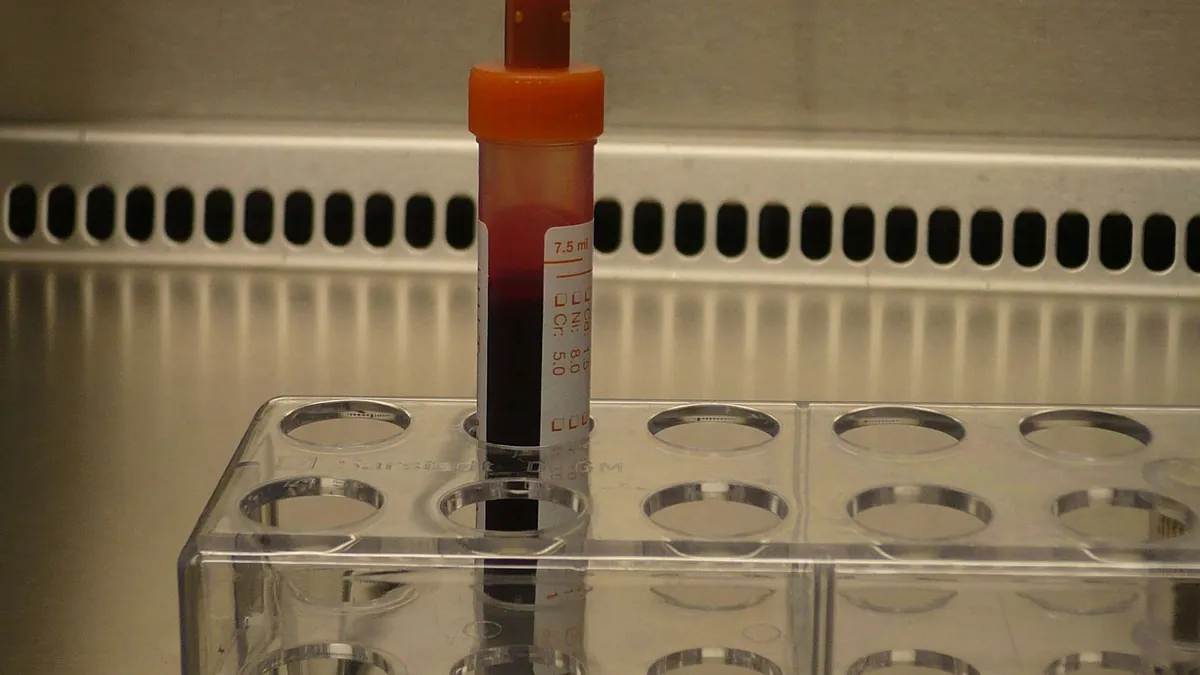
The erythrocyte sedimentation rate measures how far red blood cells settle in a thin, upright tube of blood over one hour. The result is reported in millimeters per hour (mm/hr). Most laboratories in India use the Westergren method or an automated analyzer calibrated against it.
Healthy red cells carry a slight negative charge, repel one another and sink slowly. When the blood contains more inflammatory proteins, especially fibrinogen and immunoglobulins, the cells clump into stacks called rouleaux. These heavier stacks fall faster, so the ESR rises. That is why ESR acts as a general alarm that inflammation, infection or abnormal proteins are present somewhere in the body, without telling us where or why.
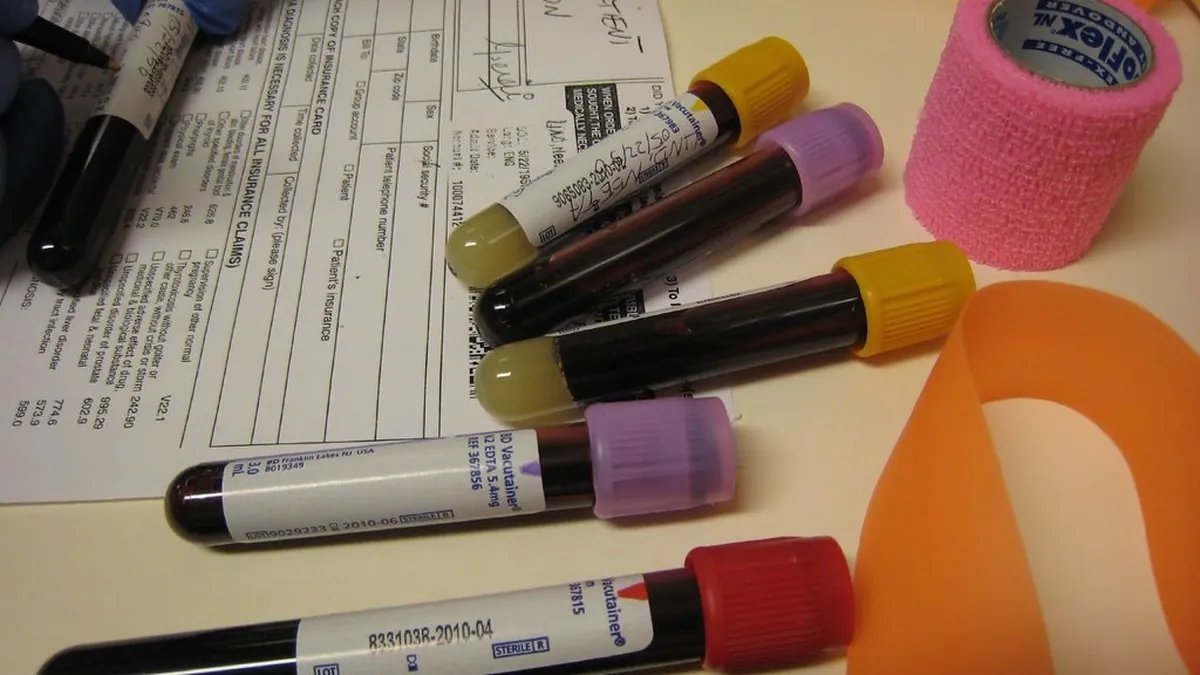
The ESR blood test needs a routine sample from a vein, no fasting and no special preparation, which is why it appears in so many health check-up packages.
What Is a Normal ESR Range?
Normal ESR depends on age and sex, and every laboratory prints its own reference range next to your result. The values below, in line with those published by MedlinePlus, the US National Library of Medicine’s health service, are a practical guide:
| Group | Normal ESR (Westergren method) |
|---|---|
| Men under 50 years | 0–15 mm/hr |
| Men over 50 years | 0–20 mm/hr |
| Women under 50 years | 0–20 mm/hr |
| Women over 50 years | 0–30 mm/hr |
| Children | 0–10 mm/hr |
A bedside rule doctors use is that the upper limit of normal for men is roughly their age divided by two, and for women their age plus ten, divided by two. A healthy 60-year-old woman can have an ESR of 35 mm/hr and still be within the expected range for her age.
What Is the ESR Level in Cancer Patients?
There is no specific “cancer number” for ESR. The ESR level in cancer patients varies with the type of cancer, how far it has spread and whether infection or anemia is present at the same time. In practice, results fall into three broad bands:
| ESR result | What it may reflect |
|---|---|
| Normal to mildly raised (up to about 40 mm/hr) | Common in early, localized solid tumors; also seen with minor infections, anemia, pregnancy and ageing |
| Moderately raised (about 40–100 mm/hr) | Active infection or inflammation, autoimmune disease, or more advanced cancer |
| Markedly raised (above 100 mm/hr) | Needs prompt evaluation for serious infection, kidney disease, autoimmune conditions, or cancers such as multiple myeloma, lymphoma and metastatic disease |
Cancers Commonly Linked With a High ESR
- Multiple myeloma: abnormal antibody proteins made by myeloma cells make red cells stack readily, so the ESR is often very high, frequently above 100 mm/hr.
- Lymphoma: in Hodgkin lymphoma, an ESR of 50 mm/hr or more, or 30 mm/hr or more with fever, night sweats or weight loss, is one of the factors used to classify early-stage disease as unfavorable.
- Kidney cancer: renal cell carcinoma can raise ESR as part of the body’s inflammatory response, which is why specialists treating kidney and other urological cancers read ESR alongside imaging.
- Advanced solid tumors: cancers of the lung, breast, prostate and bowel usually raise ESR only when they are large or have spread to bone or liver. In advanced colon and rectal cancer care, for example, a rising ESR with anemia may prompt a check for spread or infection.
Why Is the ESR Level in Cancer Patients Often High?
Several processes push ESR upward in people with cancer:
- Tumors and the immune cells around them release signaling molecules such as interleukin-6, which prompt the liver to make more fibrinogen.
- Cancer-related anemia leaves fewer red cells in the tube, so they settle faster.
- Some blood cancers flood the bloodstream with abnormal proteins.
- Tissue breakdown, infections during chemotherapy and recovery from recent surgery all add to inflammation.
Because every one of these can also happen without cancer, a high ESR on its own never proves that cancer is present.
Can an ESR Test Detect or Rule Out Cancer?
No. ESR is neither sensitive nor specific enough to screen for cancer. Many people with early breast, stomach or bowel cancer have a completely normal ESR, and most people with a high ESR do not have cancer at all. A diagnosis depends on a clinical examination, the right imaging such as ultrasound, CT, MRI or PET-CT, and finally a biopsy examined by a pathologist.
ESR is often ordered with C-reactive protein (CRP), which rises and falls within days and follows acute infection more closely. Specific tumor markers such as CEA, CA 19-9, CA-125, PSA and AFP are more targeted, yet even these are used mainly to monitor known cancers rather than to diagnose them, as the National Cancer Institute’s fact sheet on tumor markers explains.
How Oncologists Use the ESR Level in Cancer Patients During Treatment
Even though it cannot diagnose cancer, ESR still earns its place in a patient’s journey:
- Tracking blood cancers: in myeloma and lymphoma, a steadily falling ESR can support other evidence that treatment is working.
- Spotting infection early: during chemotherapy, a sudden rise together with fever may signal an infection that needs urgent attention.
- Planning surgery: before major procedures such as robotic cancer surgery, blood tests including a complete blood count, CRP and ESR help the team judge fitness and prepare for recovery.
- Reading post-operative results: ESR naturally stays raised for a few weeks after a major operation, so a single value soon after surgery must be interpreted in context.
In complex GI and thoracic cancer surgery, surgeons rely on trends and on the whole clinical picture rather than on any one number.
What Should You Do If Your ESR Is High?
- Stay calm and check the range. Compare your value with the reference range printed on the report and note how far above it you are.
- Complete the picture. Your doctor may repeat the ESR along with a complete blood count, CRP, a peripheral smear and kidney and liver function tests.
- Review your symptoms honestly. Unexplained weight loss, persistent fever or night sweats, bone pain, a new lump, a cough lasting more than three weeks, blood in stool or urine, or trouble swallowing all deserve evaluation.
- See the right specialist for the symptom. A new breast lump calls for a prompt breast cancer evaluation and treatment plan, persistent indigestion with early fullness should be checked against stomach cancer symptoms and treatment options, and a long-standing cough in a smoker needs assessment by a team offering lung cancer treatment in Hyderabad.
- Keep every old report. A trend over months tells your doctor far more than a single value.
Factors That Can Falsely Raise or Lower ESR
Pregnancy, menstruation, older age, anemia, obesity, kidney disease and delays in processing the sample can all push ESR up. An unusually high red cell count (polycythemia), abnormally shaped red cells as in sickle cell disease, very low fibrinogen levels and some medicines, including steroids, can pull it down. Mention any of these to your doctor before reading too much into a single result.
When to Consult a Cancer Specialist
A persistently high ESR deserves a structured evaluation when it comes with warning symptoms, keeps rising on repeat tests or appears alongside a suspicious scan. Dr. Anvesh Dharanikota, a surgical oncologist at Arete Hospitals in Gachibowli, interprets the ESR level in cancer patients together with imaging and biopsy results, and works closely with physicians, hematologists and medical oncologists when the cause lies outside surgery.
Before your visit, you can explore the full range of surgical oncology services in Hyderabad or read answers to common questions about cancer surgery, so you arrive with a clear list of questions.
The Bottom Line
The ESR level in cancer patients can be normal, mildly raised or very high, and the number alone cannot tell whether cancer is present, how advanced it is or how well treatment is working. What matters is the pattern: how high the value is, whether it keeps rising, what your other tests show and how you feel. Used that way, ESR becomes a useful piece of the puzzle rather than a source of fear.
Frequently Asked Questions
For most laboratories, a normal ESR is about 0 to 15 mm/hr for men and 0 to 20 mm/hr for women under 50. After 50, up to 20 mm/hr for men and 30 mm/hr for women is usually considered normal. Always compare your result with the reference range printed on your own report.
Sometimes, but most high ESR results are caused by infection, inflammation, anemia, pregnancy, kidney disease or autoimmune conditions. A very high ESR, especially above 100 mm/hr, needs a proper evaluation because it can be linked with serious infections and cancers such as multiple myeloma, lymphoma or metastatic disease.
Yes. Many early-stage solid cancers, including breast, stomach and bowel cancers, do not raise the ESR at all. A normal ESR cannot rule out cancer, so symptoms, screening tests, imaging and biopsy remain essential.
There is no single dangerous number. An ESR above 100 mm/hr is considered markedly raised and should be investigated promptly. Any raised ESR that keeps climbing on repeat tests, or appears with fever, weight loss, bone pain or a lump, also deserves early medical attention.
It can. Chemotherapy may lower the ESR when the cancer responds, while infections, anemia and inflammation during treatment can push it up. That is why oncologists read ESR as a trend together with blood counts, scans and tumor markers.
Neither test diagnoses cancer. CRP rises and falls within days, so it is better for spotting acute infection during treatment. ESR changes more slowly and is sometimes used to follow blood cancers such as myeloma and lymphoma. Doctors often order both together.
Medical disclaimer: This article is for general education and does not replace a personal consultation. Cancer care is individual, so please discuss your reports, symptoms and treatment options with a qualified specialist before making any decision.
Image credits: Tube with blood sample.jpg by Dotodot, CC BY-SA 4.0 · IMG_9038 by Neeta Lind, CC BY 2.0 · USAMRUK Malaria Diagnostics and Control Center of Excellence microsco… by US Army Africa, CC BY 2.0 · Checking Blood Sample (9955279835) by National Eye Institute, CC BY 2.0