

Quick answer
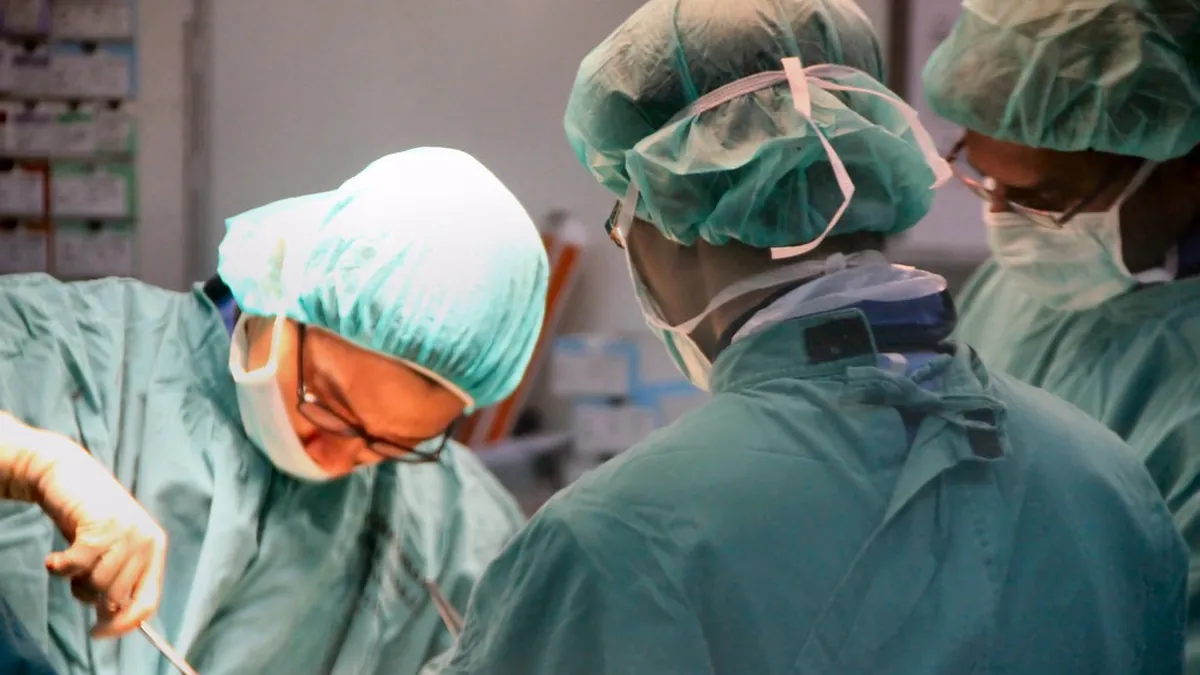
The decision is made by your cancer care team, usually led by a medical oncologist working with your surgical oncologist, pathologist and radiation oncologist, often in a tumor board. They base it on the final histopathology report after surgery, including tumor size, lymph node involvement, margins, grade, vascular invasion and biomarkers, along with your recovery and your preferences. When it is needed, chemotherapy usually starts within 4 to 8 weeks of surgery.
Waking up after cancer surgery brings relief, but a new question often follows almost immediately: will I need chemotherapy now? Many patients are surprised that the answer is not known on the day of the operation. Deciding on chemotherapy after cancer surgery depends on information that only becomes available once the removed tissue has been examined in the laboratory.
This article explains who makes that decision, which details in your pathology report matter most, how the decision differs between common cancers, and what you can ask to understand your own situation.
What Is Adjuvant Chemotherapy?
Chemotherapy given after surgery is called adjuvant therapy. Even when a surgeon removes every visible trace of cancer, microscopic cells may already have escaped into the bloodstream or lymphatic system. Adjuvant chemotherapy aims to destroy these hidden cells and lower the chance of the cancer returning. When chemotherapy is given before surgery instead, it is called neoadjuvant therapy.
Adjuvant chemotherapy is not automatic. For some patients it significantly improves the chance of cure; for others, the benefit is too small to justify the side effects.
Who Decides Whether You Need Chemotherapy After Surgery?
No single doctor makes this decision alone. The key members of your team are:
- Surgical oncologist: describes what was found during the operation, whether the tumor was completely removed and how many lymph nodes were taken.
- Pathologist: examines the removed tissue under the microscope and writes the final report that stages the cancer.
- Medical oncologist: weighs the risk of recurrence against the expected benefit and side effects of chemotherapy, and usually recommends the regimen.
- Radiation oncologist: advises whether radiotherapy is also needed.
- Multidisciplinary tumor board: brings everyone together; the National Cancer Institute describes tumor board review as a treatment planning approach in which experts from different specialties review and discuss a patient’s condition and treatment options together.
So the honest answer to “who can tell if I need chemotherapy after cancer surgery?” is your whole team, with the medical oncologist usually giving the final recommendation and you making the final choice.
Your Histopathology Report Holds the Answer
The final pathology report, usually ready within 7 to 10 days of surgery, contains the details that drive the decision. Staging follows the internationally used TNM staging system:
| Report item | What it means | Why it matters |
|---|---|---|
| Tumor size and depth (pT) | How large the tumor is and how deeply it has grown | Larger or deeper tumors carry a higher risk of recurrence |
| Lymph nodes (pN) | How many nodes were removed and how many contain cancer | Cancer in the lymph nodes is one of the strongest reasons to give chemotherapy |
| Margins (R0 or R1) | Whether cancer cells reach the edge of the removed tissue | Positive margins may call for more surgery, radiation or chemotherapy |
| Grade | How abnormal the cancer cells look | High-grade cancers tend to grow and spread faster |
| Lymphovascular and perineural invasion | Cancer cells inside small vessels or around nerves | These features increase the risk of spread |
| Biomarkers | Features such as hormone receptors, HER2 or MSI | They show which drugs will help and whether chemotherapy helps at all |
How the Decision Differs by Cancer Type
Every patient is assessed individually, but these general patterns show how the same question gets different answers.
Colon Cancer
Chemotherapy is standard for stage III colon cancer, where cancer has reached the lymph nodes, and usually lasts 3 to 6 months. In stage II disease, it is considered when high-risk features are present, such as a tumor that has grown through the bowel wall, too few lymph nodes examined or a perforated or blocked bowel, and MSI status helps refine the decision. Stage I cancers generally need surgery alone. Learn more about colorectal cancer surgery in Hyderabad.
Stomach Cancer
For most locally advanced stomach cancers, chemotherapy is given both before and after surgery. When surgery is done first, chemotherapy afterwards is usually recommended for stage II and III disease. See how gastric cancer surgery with D2 lymph node dissection fits into this plan.
Breast Cancer
The decision combines tumor size, lymph node status, grade, hormone receptors and HER2. HER2-positive and triple-negative cancers often receive chemotherapy, sometimes before surgery, while many hormone receptor-positive cancers rely on genomic tests to decide. These choices are central to breast cancer treatment in Hyderabad.
Lung Cancer
After complete removal of non-small cell lung cancer, adjuvant chemotherapy is generally recommended for stage II and IIIA disease and considered for some larger stage I tumors. Patients with EGFR mutations may receive targeted therapy, and some receive immunotherapy. Explore VATS and robotic lung cancer surgery.
Pancreatic Cancer
Because pancreatic cancer has a high risk of returning, almost every patient who recovers well from a Whipple procedure or another pancreatic resection is advised to have about six months of adjuvant chemotherapy. Read about pancreatic and liver cancer surgery.
Ovarian and Uterine Cancers
Most ovarian cancers need chemotherapy after surgery, except some very early, low-grade tumors. In uterine cancer, the decision depends on stage, grade and molecular features. Both are part of comprehensive gynecologic cancer treatment.
When Does Chemotherapy Start After Surgery?
When it is needed, adjuvant chemotherapy usually starts within 4 to 8 weeks of surgery, once the wound has healed and you have regained strength and appetite. Starting on time matters, because long delays can reduce the benefit. The faster recovery that often follows minimally invasive approaches, such as robotic cancer surgery, may help some patients begin adjuvant treatment without delay.
When Chemotherapy May Not Be Needed
Chemotherapy after cancer surgery is not always the right answer. It may be safely avoided when:
- The cancer is small, early stage and completely removed with clear margins.
- No lymph nodes are involved and there are no high-risk features.
- Genomic or biomarker tests show a low risk of recurrence or little expected benefit.
- The expected gain is very small compared with the side effects, especially in frail patients.
Ask your oncologist to express the benefit in simple numbers. Knowing whether chemotherapy might lower your risk of recurrence by 3 percent or by 15 percent makes the decision far clearer.
Questions to Ask Your Team After Surgery
- What is my final stage, and how many lymph nodes contained cancer?
- Were the margins clear?
- What is my risk of recurrence with and without chemotherapy?
- Which chemotherapy do you recommend, for how long and why?
- Are there biomarker or genomic tests that could help decide?
- Is radiation also needed?
- What happens if I choose not to have chemotherapy?
To understand how the drugs themselves are selected, read how doctors know which chemotherapy will work best for your cancer type. For a wider view of tailored care, see our guide to getting a personalized cancer treatment plan.
The Bottom Line
The need for chemotherapy after cancer surgery is decided by your team, not by guesswork or a fixed rule. Your surgeon’s findings, the pathologist’s report and your medical oncologist’s assessment come together, ideally in a tumor board, to weigh the real benefit against the side effects. Understanding your pathology report is the best way to take part in that decision with confidence.
Frequently Asked Questions
No. Many early-stage cancers that are completely removed with clear margins and no lymph node involvement need no further treatment. Chemotherapy is recommended when the risk of the cancer returning is high enough for treatment to make a meaningful difference.
It is a team decision. The surgical oncologist and pathologist provide the operative findings and the final report, and the medical oncologist usually recommends whether chemotherapy is needed, often after tumor board discussion. You make the final choice.
When it is needed, adjuvant chemotherapy usually begins within 4 to 8 weeks of surgery, once you have recovered enough. Your team will time it according to your healing and the type of cancer.
A clear or negative margin, often written as R0, means no cancer cells were found at the edges of the removed tissue. A positive margin means cancer cells reach the edge, which may call for further surgery, radiation or chemotherapy.
Yes, it is your decision. Before deciding, ask your oncologist to explain your recurrence risk with and without chemotherapy, the expected side effects and any alternatives, so that your choice is fully informed.
It commonly lasts 3 to 6 months, depending on the cancer type, stage and regimen. Some other post-surgery treatments, such as hormone therapy for breast cancer or targeted therapy for certain lung cancers, continue for several years.
Medical disclaimer: This article is for general education and does not replace a personal consultation. Cancer care is individual, so please discuss your reports, symptoms and treatment options with a qualified specialist before making any decision.
Image credits: Lab rats by dave.see, CC BY 2.0 · British medics help earthquake-hit hospital in Kathmandu, Nepal by DFID - UK Department for International Development, CC BY 2.0 · Royal Liverpool Chemotherapy Unit by robbelaw, CC BY-SA 2.0 · OT by Phalinn Ooi, CC BY 2.0