

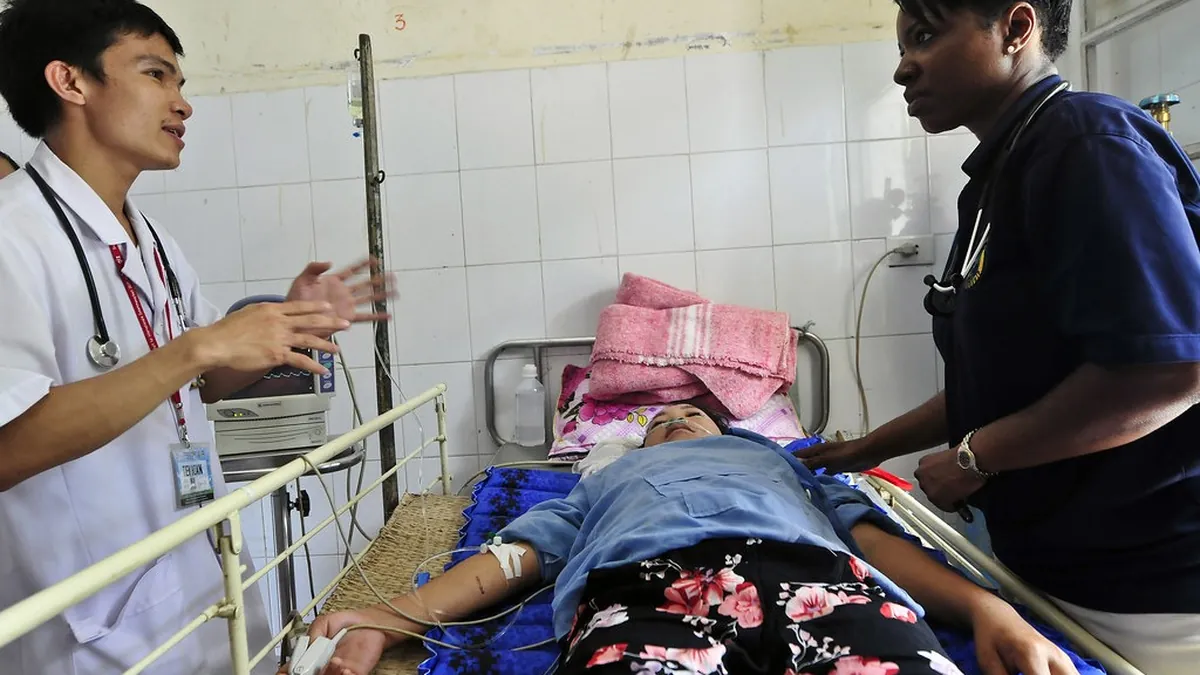
Quick answer
The best treatment with honest guidance usually comes from a qualified cancer specialist working in a hospital with complete oncology services and a multidisciplinary tumor board, who explains your stage and outlook truthfully, presents every reasonable option including less aggressive ones, shares costs openly and welcomes a second opinion. Rather than searching for a single “best” name, look for these qualities, and be wary of guaranteed cures, pressure to decide instantly or advice to skip proven treatment.
When cancer enters a family, people want two things at once: the best possible treatment and someone who will tell them the truth. That is why so many people ask which cancer hospital or doctor gives the best treatment with honest guidance. Big advertisements, online rankings and conflicting advice from relatives only make the choice harder.
There is no single best hospital or doctor for every patient. The right choice depends on your type and stage of cancer, the expertise it requires and how clearly the team communicates. This guide gives you a practical way to judge both expertise and honesty.
What Honest Guidance Really Means in Cancer Care
- Explaining your stage and likely outlook truthfully, with compassion and without false hope or unnecessary fear
- Presenting all reasonable options, including less aggressive treatment, clinical trials or a focus on comfort when appropriate
- Being clear about the goal of treatment: cure, long-term control or symptom relief
- Discussing risks, recovery time and possible complications openly
- Giving a transparent estimate of costs
- Admitting uncertainty when the evidence is unclear
- Supporting your right to a second opinion
Honest guidance is also the ethical and legal foundation of care, because genuine informed consent depends on it.
How to Judge a Cancer Doctor
Qualifications and Registration
In India, cancer surgeons typically hold an MCh or DrNB in Surgical Oncology after postgraduate training in general surgery, medical oncologists hold a DM or DrNB in Medical Oncology, and radiation oncologists hold an MD or DNB in Radiation Oncology. You can verify a doctor’s registration through the National Medical Commission’s Indian Medical Register or the relevant state medical council.
Focus and Experience in Your Type of Cancer
Complex operations such as esophagectomy and pancreatic resection have better outcomes in experienced hands and in centers that perform them regularly. Ask how often the surgeon performs your specific procedure, whether it is esophageal cancer surgery or pancreatic and liver cancer surgery.
Academic Engagement
Doctors who publish, present at conferences and teach tend to stay current with evolving evidence. A doctor’s research and publications in surgical oncology offer a useful window into their areas of focus.
Communication Style
Notice whether the doctor listens, answers questions patiently and explains things in language you understand. Our guide to cancer specialists who spend more time with patients covers the signs to look for.
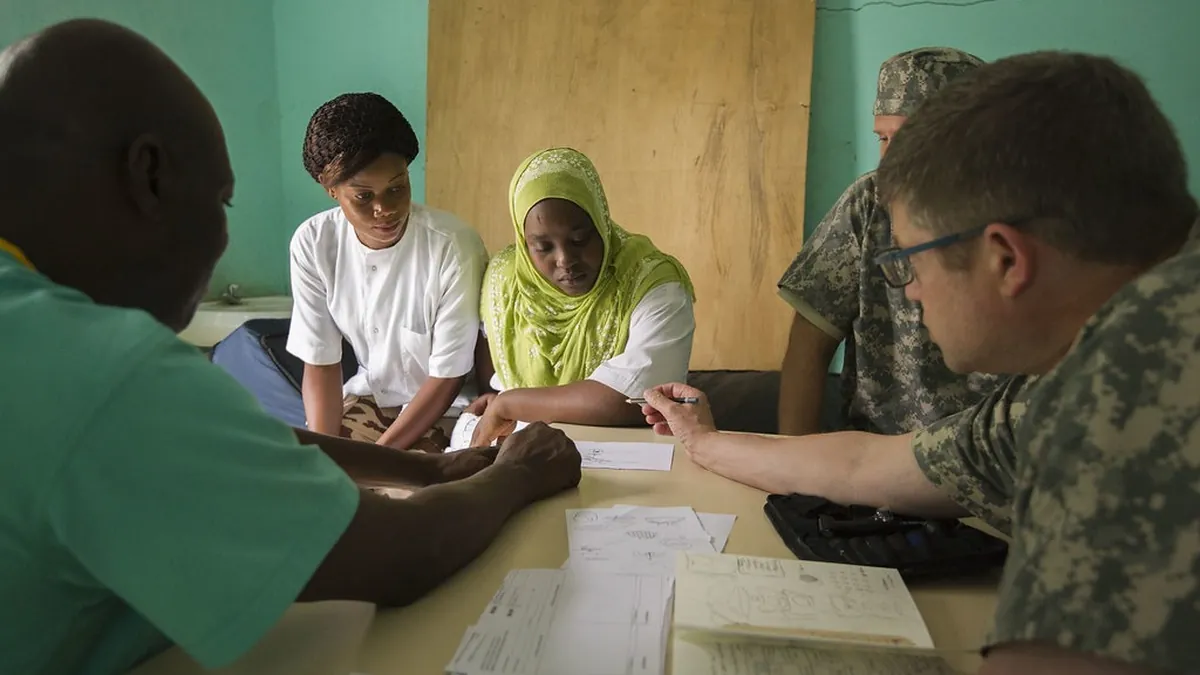
How to Judge a Cancer Hospital
| What to look for | Why it matters |
|---|---|
| Surgical, medical and radiation oncology available or closely coordinated | Most cancers need more than one type of treatment |
| Pathology with immunohistochemistry and molecular testing | Accurate diagnosis and biomarker results guide treatment |
| CT, MRI and PET-CT imaging | Precise staging and response assessment |
| Intensive care and experienced anesthesia teams | Safety during and after major cancer surgery |
| Minimally invasive and robotic surgery | Less pain and faster recovery for suitable patients |
| A regular multidisciplinary tumor board | Major decisions are reviewed by several specialists |
| Accreditation such as NABH | Independent assessment of safety and quality standards |
| Nutrition, physiotherapy, pain and palliative care | Support that helps patients complete treatment |
| A clear billing and insurance desk | Fewer financial surprises |
Accreditation by the National Accreditation Board for Hospitals & Healthcare Providers (NABH) does not guarantee a good outcome, but it shows that a hospital meets defined quality and patient-safety standards. For suitable patients, access to robotic cancer surgery and experienced minimally invasive teams is another marker of a well-equipped center, and a functioning tumor board is the heart of every personalized cancer treatment plan.
Red Flags That Should Make You Pause
- Guarantees of cure, or claims that a treatment works for everyone
- Pressure to start treatment or pay a large deposit immediately, without time to think
- Discouraging or dismissing a second opinion
- Recommending unproven therapies in place of standard surgery, chemotherapy or radiation
- Vague answers about costs, or estimates that keep changing without explanation
- Reluctance to hand over your reports, scans or pathology slides
- Recommending major surgery before staging is complete
Cancer is serious and some decisions are genuinely urgent, but an honest doctor explains why speed matters rather than using fear to push a decision.
Questions That Reveal Honest Guidance
- What is my exact stage, and what does it mean for my outlook?
- What are all my options, including not having this treatment?
- Is the goal cure, long-term control or symptom relief?
- How many of these procedures do you perform each year?
- What complications could happen, and how often?
- What will the whole treatment cost, including follow-up?
- Has my case been discussed at a tumor board?
- Would you support me in getting a second opinion?
A doctor who answers these calmly and clearly is usually a doctor you can trust.
Why a Second Opinion Is a Sign of Good Care
Seeking a second opinion is common and widely encouraged in cancer care. The American Cancer Society’s guidance on seeking a second opinion notes that doctors expect patients to do so. A second opinion can confirm the diagnosis, refine the stage, or uncover options such as organ-preserving surgery, a different sequence of treatment or a clinical trial.
It is especially valuable when major surgery is planned, when the cancer is rare, or when you are unsure whether you need further treatment. Our guides on how doctors choose the chemotherapy that works best and who decides on chemotherapy after cancer surgery can help you prepare the right questions.
How Dr. Anvesh Dharanikota Approaches Honest Cancer Care
Dr. Anvesh Dharanikota is a Senior Consultant Surgical Oncologist and Head of Department at Arete Institute of Oncology, Hyderabad, with an MCh in Surgical Oncology from Kidwai Memorial Institute of Oncology and more than 12 years of experience in robotic, laparoscopic and oncoplastic cancer surgery. His approach centers on evidence-based treatment, multidisciplinary tumor board review and clear conversations about what surgery can and cannot achieve.
In his own words: “Every patient deserves not just the most advanced medical treatment, but also compassionate care that honors their dignity and hope.” You can read patient testimonials about their treatment experience to see how patients describe that approach.
Final Thoughts
The best cancer hospital or doctor for you is the one that combines the right expertise for your cancer with honest guidance at every step. Check qualifications and experience, look for a complete team and a tumor board, ask direct questions, watch for red flags and never feel guilty about seeking a second opinion. Clarity and trust are part of good treatment, not a luxury.
Frequently Asked Questions
An honest doctor explains your stage and outlook clearly, discusses all reasonable options including less aggressive ones, is open about risks and costs, admits uncertainty and supports a second opinion. Pressure, guarantees and vague answers are warning signs.
A cancer surgeon usually holds an MCh or DrNB in Surgical Oncology after an MS or DNB in General Surgery. You can verify registration on the National Medical Commission’s Indian Medical Register or on the state medical council website.
No. Second opinions are common in cancer care, and good doctors expect and support them. A second opinion can confirm your plan or reveal options you had not been offered.
Not necessarily. The team’s expertise in your specific cancer, the availability of all treatment types, a working tumor board and clear communication matter more than the size of the building or the advertising budget.
Watch for guaranteed cures, pressure to pay or start immediately, discouragement of second opinions, unproven therapies offered instead of standard treatment, unclear costs and reluctance to share your reports.
Dr. Anvesh Dharanikota consults at Arete Hospitals, OP Room No. 17, B-Wing, Gachibowli, Hyderabad, on Monday, Wednesday, Thursday, Friday and Saturday from 9 AM to 5 PM. Appointments can be booked by calling +91 94402 33339.
Medical disclaimer: This article is for general education and does not replace a personal consultation. Cancer care is individual, so please discuss your reports, symptoms and treatment options with a qualified specialist before making any decision.
Image credits: American, Chadian medical professionals partner to treat patients, ho… by US Army Africa, CC BY 2.0 · Tesla-Hospital-Corridor-002i_all-tee-parts-positioned by Paul Schultz, CC BY 2.0 · 'I walked more than 200 miles to get help for my child' by DFID - UK Department for International Development, CC BY 2.0 · 120719-O-ZZ999-009 by Military Sealift Command, CC BY 2.0